
History of the Lay School of Ministry 1992-3 Under the leadership of Dick Bruesehoff (assistant to Bishop Knutson) a group of pastors (Greg Kaufmann, Don Wisner, James Homme, and Dick) gathered to envision a program in the Synod that would take seriously our belief in the ministry of all the baptized, and of life long learning. It was believed that to meet the varied ministry needs of the coming millenium, the Synod needed to equip all its ministers (the baptized) in a very intentional way. The Lay School of Ministry grew out of that conversation. Our Saviour's Lutheran Church in Chippewa Falls agreed to host the LSM, and its members offered to provide free housing for all participants who needed it. 1993-4 The first class of the LSM began. Faculty included Prof. Marc Kolden of Luther Seminary (systematics and church history), and Pastors Don Wisner (worship), Greg Kaufmann (Biblical studies), and Dick Bruesehoff (spiritual formation). 1994-5 In addition to year 2 of the first class, a second group began, with the addition of two new faculty. Their course work remained the same, with Prof. Gary Simpson of Luther Seminary handling the systematics piece and Pastor Mary Jorgensen taking the Biblical studies. 1995-6 The third group of LSM students formed. Since Marc Kolden was named Academic Dean of Luther Seminary, his place on the teaching team was taken by Lois Malcom, also of Luther Seminary. 1996-7 Due to the number of laity interested in becoming the fourth group to start the Lay School of Ministry, two new groups were started. In order to provide enough faculty, the Rev. Dale Freberg was invited to teach the Biblical material, along with Mary Jorgensen. The rest of that teaching team remained the same. 1997-8 With the departure of Rev. Bruesehoff to Chicago, the Rev. Keith Holste, a D-Min student at Luther Sem. and a pastor in our synod, was asked to teach the Spiritual Formation piece for both years. The fifth LSM class also began this year. 1998-9 In addition to the 6th LSM class beginning their two year course of study, several other firsts occurred. A governing board comprised of past participants was formed. The need for continuing education for past participants was also addressed in two ways. First, a third year option was offered in the area of "biblical evangelism." The faculty was comprised of Rev. Mark Olson, Rev. Dale Freberg, and Rev. Carm Aderman (Assistant to Bishop Bob Berg). Second, the board decided to offer two overnight retreats each year (one in the Fall and one in the Spring) to past participants. Luther Park Bible Camp was chosen as the site. 1999-2000 Enrollments of 22 first year, 23 second year and 18 "third" year students. The topic for Year three was "Who is Jesus?" and the extra Track B has a focus on Christian Education, led by Ruth Lundblad. We continued the tradition of a Fall and Spring Retreat. The Fall Retreat featured Pastor Greg Kaufmann, who taught his course on the "Formation of the New Testament Canon." The Spring retreat featured Dr. Gary Simpson, who answered the question, "Is there a Lutheran Ethic of Marriage?" 2000-2001 Enrollment - 24 first year students, 21 second year and 12 Continuing Education. The Continuing Education theme was "Our Neighbor's Faith." Friday night Pastor Dale Freberg led the group in a study of Acts. Saturday mornings Luther Seminary faculty and guests explored different world religions. The Fall Retreat was on Judaism, led by Dr. Helaine Minkus. The summer retreat, held at Lake Wapogasset Bible Camp, featured Bishop Joseph Bvumbwe of our companion synod in Malawi. 2001-2002 Enrollment - Year one 26, year two 23, and 28 continuing education. The Theme for the Continuing Education year, taught by Rev. Jeanne Dahl of Luther Seminary, was "Luther and Contemporary Church Issues." The theme of our retreat, held in April at Luther Park, was "Food and the Bible." It was lead by John Kurshner, Greg Kaufmann and Nancy Lund. 2002-2003 Enrollment - 26 first year, 21 second year and 39 continuing ed. students. Continuing Education studies Revelation on Friday. Saturday the topic was Science and the Faith. This was led by Augsburg College, Luther Seminary, University of Minnesota, UW-EC and ELCA Churchwide staff. This is the first year where Continuing Ed. students could choose either Friday or Saturday topics, or both. 2003-2004 Enrollment - 38 first year, 28 second year and 38 continuing ed. students. Continuing Education studies Genesis on Friday with Rev. Dale Freberg. Saturday the topic is Christian Ethics taught by Dr. David Fredrickson of Luther Seminary. Students could choose either Friday or Saturday topics, or both. 2004-2005 Enrollment - 19 first year, 38 second year and 27 continuing ed. Continuing Education changed its format this year, offering weekend long classes with the same professor and topic. Continuing ed. offered three different topics: Grief and Loss/Substance Abuse (two sessions), Islam (two sessions) and Biblical Translation (5 sessions). Continuing ed. participants were able to take one, two or all three topics. [Pictures] Our Fall Retreat was at Chetek Lutheran with Bishop Joseph Bvumbwe [Pictures] from Malawi. This two day retreat centered on church music, church history and day to day life in parishes in Malawi. A part the cost of this retreat for many participants was covered by a grant from Thrivent Financial for Lutherans. The Lay School of Ministry Board was pleased that 67 past participants signed up for the Continuing Education class for the 2005-2006 LSM year. 27 first year students and 17 second year students were enrolled. As we did last year, the Board decided to again combine the Friday evening and Saturday morning classes into one. Courses ran Friday evening from 7-10 PM and Saturday morning from 8:30 - Noon. This allowed us to bring in some exciting faculty members from around the country who are knowledgeable about our topics. The theme for this year was Martin Luther and the Reformation Era. Theses classes were filmed for Select Learnings Luther's Legacy for Laity DVD resource. The September 9-10, 2005 session was presented by LSM founder, Dick Bruesehoff, Director of Leadership Support with the Division For Ministry of the ELCA. His first topic area was roots of Lutheran spirituality. He also took us on a visual tour of Reformation sites. [Pictures] November 11-12, 2005 session was presented by Kathryn Kleinhans from Wartburg College in Waverly, IA. She focused on Luther's The Bondage of the Will, with attention to the themes of sin, necessity, and salvation. She also covered the issues of sin, forgiveness and penance with some applicability to current issues. Our December 9-10, 2005 we met with Professor David Lose from Luther Seminary. He presented on key ideas of Luther with particular focus on Luther's doctrine of two kingdoms. How did that doctrine play out then - the peasants war - and how does it play out now? The January 13-14, 2006 session was presented by Professor Timothy Wengert of Lutheran Theological Seminary at Philadelphia. Professor Wengert spoke on the formation and importance of the Book of Concord. Professor Wengert is the editor of the current edition of the Book of Concord we use as a text in LSM. He also touched on Philip Melanchthon. [Pictures] The February 10-11, 2006 session was presented by Darrell Jodock, Professor at Gustavus Adolphus College and chair of the Teaching Theologians of the ELCA. His topic was Other Themes in Luther and their Relevance For Today. By other, Darrell means, themes in addition to Justification By Grace Through Faith. Darrell talked about the importance of "God active in the world" and about its implications for our vocation in the world. Other themes covered included: Luther's theology of the cross, the centrality of community and the importance of creation. [Pictures] In March 10-11, 2006 our focus was on the life and importance of Martin Luther with Professor Kurt Hendel of Lutheran School of Theology in Chicago. [Pictures] Our April 7-8, 2006 session was to be with Jane Strohl, Professor of Reformation History and Theology at Pacific Lutheran Theological Seminary (PLTS) in Berekely, CA. Her topic was to be "Other Voices of the Reformation." Who were the people that the Lutheran Confessions label as "our opponents" and what were their positions? Included wasto be: The Catholic Reformation and the Council of Trent, the Reform tradition, both the Zwinglian and Calvinist movements, the Anabaptists, and the radicals. However, due to health issues, Professor Strohl was rescheduled for a summer retreat. In her absence due to an illness, Companion Synod Coordinator, Diane Kaufmann spoke on the recent Malawi Choir tour and Arlan Bergquist spoke on our Synod's gift of a portable church to the Texas-Louisianna Synod in the aftermath of Hurricane Katrina. Bonus: Our guest presenter for the May 12-13, 2006 session was Mphatso Thole (Companion Synod Coordinator, Malawi.) [Pictures] Professor Jane Strohl - PLTS came for a special summer retreat session
held in Rice Lake and taught the course she missed due to illness
- all Lay School participants were welcome. [Pictures] For the 2006-2007 LSM year we experienced our first low enrollment year and didn't begin a new first year class - second year graduated 24 and continuing ed had over 30 attend. Faculty changes included Don Wisner retiring and the Board was pleased that Pastor David K. Anderson from Immanuel in Eau Claire took the worship class. Pastor Mary Jorgensen switched from teaching Biblical Studies to Spiritual Formation. The Continuing Education topic was The Apostle Paul and the First Century World. September: Dr. David Tiede (Augsburg College) Dr. Tiede, a recognized Lukan scholar, introduced us to Paul and the first century world using the book of Acts as his lens. Luke's Acts could very well be titled the Acts of Peter and Paul, with Peter dominating the first 12 chapters and Paul the final 16! How can Luke's Paul inform our own calls to be active in loving service in the 21st century? [Pictures] October: Dr. Darrell Jodock (Gustavus Adolphus College) and Dr. Karla Suomala (Luther College) Drs. Jodock and Suomala, both experts in Judaism, introduced us to Paul the Pharisee. Herod's temple wasn't destroyed by the Romans until 71 CE, and since Judaism was still a key player on the world religious scene until that time, and since Paul claims to be the best Pharisee that ever lived...well sort of....they introduced us to the various versions of Judaism of that time, and what that meant for Paul as he travelled from one city to another. [Pictures] November: Dr. Phil Quandbeck III (Augsburg College) Dr. Quanbeck, leader of study trips to Greece, and participants in archeological digs, and an expert on Paul's use of Greek rhetoric in his letters, introduced us to the urban context of Paul's ministry. How Paul did his ministry in the different cities of Greece and Asia Minor (modern Turkey) was Dr. Quanbeck's focus. He also shared stunning slides of the ruins of the cities Paul visited. [Pictures] December: Dr. David Rhoads (Lutheran School of Theology in Chicago) Dr. Rhoads is Paul! He has memorized a number of NT books, including Galatians. When Dr. Rhoads stands in front of the class and "talks us through" the entire book the letter comes alive. Dr. Rhoads shared how Paul's lens on why the cross is good news colors how we see the different Gospel's take on the same issues. Jan. - May. Dr. David Fredrickson (Luther Seminary, St. Paul) The LSM was pleased to welcome back once again Dr. Fredrickson. An expert on Paul, and a frequent traveler to the cities Paul visited, Dr. Fredrickson shared his insight with the class as he took the group through the seven genuine letters of Paul. [Pictures] 2007-2008 Enrollment - 42 first year students, and 52 Continuing Education. No second year class. Continuing Education. . The topic was "From Exodus to Jesus: A Look at the History, Literature and People." Faculty included Phil Ruge-Jones, Texas Lutheran; Dennis Olson, Princeton Theological Seminary; Esther Menn, LSTC [Pictures]; Ralph Klein, LSTC [Pictures]; Gary Stansell, St. Olaf College; Jim Aageson, Concordia College [Pictures], Minnesota; Monte Luker, Southern Seminary; Paul Hanson, Harvard [Pictures] and Casey Elledge, Gustavus Adolphus College [Pictures]. 2008 - 2009 Enrollment - 22 first year students, 32 second year and 61 Continuing Education. Continuing Education. The topic was "The Gospels - Canonical and Noncanonical." September, Mark Allan Powell, Trinity Seminary, introduced the class to Gospel Literature. October, Ray Pickett, Lutheran Seminary in the Southwest, covered Luke. November, Richard Caemmerer Jr., Grunewald Institute, presented on Art and the Gospels. December, Jim Boyce, Luther Seminary, covered Matthew. January, Sarah Henrich, Luther Seminary, covered the Non-Canonical Gospels. February, Hans Wiersma, Augsburg College, presented on Film and the Gospels. March, Susan Briehl, Valparaiso University & Wartburg Seminary, covered John. April, Audrey West, LSTC, presented on Parables and the Gospels. May, Phil Ruge-Jones, Texas Lutheran University, did a live performance of the entire Gospel of Mark (which was filmed and is now available from Select Learning). He also led us on discussions of the oral tradition and the Gospels as well and covering additional aspects of Mark.
2010-2011 Enrollment - 15 first year students, 23 second year and
45 Continuing Education. This year's continuing education class was shared using Skype with a group meeting at Trinity Lutheran in Lawrence, Kansas. Part of the expenses were covered by a Thrivent grant. [Photo] September 2010 – Martin Marty - University of Chicago - "A Short History of Christianity" [Pictures]
October 2010 - Kurt Hendel - LSTC - "Reforming the Church"
November 2010 - Phil Krey - LSTP - "Church in Times of Crisis" [Photo]
December 2010 - Guy Erwin - California University - "Sex, Marriage, Men and Women" Dr. Erwin's presentation was cut in half by a record snowfall that began Friday evening during class. By Saturday morning we were forced to cancel Lay School classes, although almost 15 class members managed to get in and were fed breakfast. Not only was Lay School cancelled, but so were all flights out from the Chippewa Valley Airport - for three days! [Photo]January 2011 - Kit Kleinhans - Wartburg College - "The Development of Doctrine" [Photo] http://faculty.wartburg.edu/kleinhans/
February 2011 - Darrell Jodock - Gustavus Adolphus College - "Transforming Society" [Photo] April 2011 – Mark Wilhelm - Vocation and Education - ELCA -"Unifying the Church" [Photo]
May 2011 – Samuel Torvend - Pacific Lutheran University - "Missionary Outreach" [Photo]
2011-2012 - Enrollment - 25 first year students, 13 second year and
62 Continuing Education. Nov 11-12 Carol Schersten Lahurd (LSTC) [Photo] March 9-10 Jim Martin-Schramm (Luther College) [Photo] April 13-14 Gary Simpson (Luther Seminary) [Photo] Lay School Of Ministry Year One had 27 students, Year Two had 14 students and the Continuing Education Class had 67 students. This year, Karl Jacobson, Augsburg College [Photo], taught Systematic Theology for both groups 1 and 2 while Professor Gary Simpson, Luther Seminary, was on sabbatical. Again, this year's continuing education class was shared using Skype with a group meeting at Trinity Lutheran in Lawrence, Kansas. Also, for the first time, audio pod-casts of the continuing ed sessions were given to Select Learning - www.selectlearning.org. These podcasts are available for downloading on the Select Learning web site. 2012-13 Enrollment - 22 first year students, 20 second year and
51 Continuing Education. Sept. 14-15 Stephen Bouman, (Executive Director of Congregational and Synodical Mission, ELCA)
|
| September 12-13 | Chip Bouzard - Photo | Wartburg College | Torah Intro & Genesis 1-11 |
| October 10-11 | Esther Menn - Photo | LSTC | Genesis 12 – 50: Ancestor Stories |
November 7-8 |
Richard Swanson - Photo | Augustana/SD | Performing the Torah |
| December 12-13 | Carl Heidel - Photo | Northwest Synod of Wisconsin | The Dead Sea Scrolls and our Understanding of the Torah |
| January 9-10 | Diane Jacobson - Photo | Luther Sem. | Exodus 1-20 & the 10 Commandments |
| February 13-14 | Kathryn Schifferdecker - Photo | Luther Sem. | Leviticus: Holiness Codes/Law/Land |
| March 13-14 | Brian Jones - Photo | Wartburg College | Law Codes, Prophets and Peace |
| April 10-11 | Ann Fritschel - Photo Photo 2 | Wartburg Seminary | Leadership and Community in the Wilderness |
| May 8-9 | Ralph Klein - Photo Photo 2 | LSTC | Deuteronomy |
2016-2017
In Preparation for the 500th
Anniversary of the Reformation
Sept 11-12, 2015
Kit Kleinhans Photo Photo
Wartburg College
“Reformation: Why and How? An Introduction”
There have been reform movements in the church almost from the beginning of Christianity. What happened in the early sixteenth century that led us to identify this period as THE Reformation? We examined the theological background as well as the political context that helped shape the Protestant Reformation as we know it.
Oct 9-10, 2015
Martin Lohrmann Photo
Wartburg Seminary
“Reformers Working Together: The Collegial Side of the Lutheran Reformation”
More than just the effort of a single person, the Lutheran Reformation was the product of rich collaboration and collegiality. This presentation began with Luther’s early relationships with people like Staupitz and Spalatin to show that he had strong mentors, friends and colleagues from the beginning. We then looked at Luther’s relationships with people in Wittenberg like Melanchthon, Karlstadt, Amsdorf and Cranach to see that Luther belonged to a circle of reformers in Wittenberg. Other important reformers outside Wittenberg like Barnes, Brenz and Osiander were also be introduced, noting how they helped shape the Reformation across distances. Finally, we studied examples of collegial reform visible in works like the Saxon Visitation, the Torgau Articles, and the production of the Luther Bible.
Nov 13-14, 2015
Wanda Deifelt Photo
Luther College
“Art and the Reformation”
Using art works from Cranach (and his workshop) we studied how key theological themes (such as interpretation of Scriptures, sacraments, priesthood of all baptized believers, and the role of a Christian in the world) are conveyed in forms other than the written word.
Dec 11-12, 2015
Robert and Victoria Christman Photo Photo
Luther College
“The Reformation and the Common Folk (Germany and the Low Countries)”
How did the common people experience the Reformation? Scholars have answered this question in two very different ways. One group argues that from the start, the Reformation was popular movement, characterized by a groundswell of support from the masses. The other group sees the Reformation as a long, slow process, ultimately imposed on the laity by the political and ecclesiastical authorities over the course of the sixteenth century. The series of lectures addressed this seeming contradiction by evaluating popular responses to the Reformation from its origins up to the turn of the seventeenth century, with a focus on Germany and the Low Countries. Topics included popular piety on the eve of the Reformation, early lay responses to the Reformation, the impact of the Peasant’s War on popular support for the Reformation, the intervention of the political authorities, and their efforts to control the beliefs and behaviors of their subjects.
Jan 8-9, 2016
Phil Ruge-Jones Photo
Texas Lutheran University
"Luther and the Word"
At the heart of the Reformation's theological witness was the active, living, effective Word of God. We explored how Luther's understanding of the Word shaped his understanding of God's way of being in the world. We examined how this commitment was manifest in Luther's work as translator, interpreter, and proclaimer of the Word. We asked about the role of God's Word in the continuing work of reformation to which we ourselves are called.
Feb 12-13, 2016
Darrell Jodock Photo
St. Olaf
"500 Years of Interpreting and Reinterpreting Luther."
The legacy of Martin Luther is a living tradition, always wrestling with how to connect the historical Luther and the faith community today. The basic principles of Luther’s teachings are valuable in many, many situations. But in any given context, some seem more important than others. These are emphasized, while others are neglected. When the situation changes, the emphasis also changes. Over the past 500 years the followers of Luther have found themselves in many different contexts. For example, in the late 1500s and in the 1600s Lutherans struggled to define and defend the distinctiveness of their teachings. They feared that Luther’s insights would be blotted out. The emphasis fell on the ways Lutheranism differed from other Protestants and from Roman Catholics. But, after the Thirty Years War and the demoralization that accompanied it, the emphasis shifted to cultivating individual faith and renewing hope. Protestantism had been successfully defended, even if at great cost. Denominational differences became less central. Each of these two developments produced a school of thought that has continued to play a role in church life. They were followed by others: an emphasis on reason and “progress” in the 1700s, an emphasis on historical development in the early 1800s, an emphasis on the cultural significance of Christianity in the late 1800s, and, in the early twentieth century, an emphasis on the distance between the kingdom of God and any of its embodiments. We examined these developments and what they meant for the church and then saught to assess where the emphasis should be today. What has been neglected and can be retrieved? What has been over-emphasized and can be modified? What does and does not “speak” to the problems and possibilities of today? What is the vibrant center of contemporary Lutheran thinking?
Mar 11-12, 2016
L. DeAne Lagerquist Photo
St. Olaf
“Global Legacy of the Reformation”
Jaroslav Pelikan observed that in Europe the effervescent era of the Reformers was followed by solidifying work of the Orthodox theologians and then by the warm, awakening of Pietism; and, in contrast, in the United States Lutheran history unfolded in the reverse order. While the movement spread through Europe in the first generation, it arrived on other continents later, often prompted by Pietist impulses. These sessions considered the spread of the Lutheran Reformation, attending to ways the tradition has traveled around the globe and how it has developed in various places including India, China, Indonesia, two or three places in Africa, and tohe Americas.
April 8-9, 2016
Brooks Schramm & Kirsi Stjerna Photo Photo
Gettysburg/PLTS
“Luther and the Jews"
The presentations developed the claim that Protestant Christians, and most especially Lutherans, have an ethical obligation to come to terms with the writings of Martin Luther on ‘the Jews and Judaism’. Reading Luther with an eye toward ‘the Jewish question’ makes clear that, far from being tangential, the Jews are rather a central, core component of his thought, and that this was the case throughout his career, not just at the end. By probing the logic of Luther’s anti-Jewish arguments, the presentations saught to ascertain how Luther’s attitudes towards the Jews shaped his interpretation of Scripture and his theology in general, as well as what problems this poses for modern readers. Attention was also given to how Luther was different from and similar to his contemporaries and predecessors in this regard.
May 13-14, 2016
Ralph Klein Photo
Lutheran School of Theology in Chicago
“Rare Books, Reformation Medallions and Luther”
Dr. Klein showed us examples and samples from the LSTC Rare Books Collection and related stories and histories of different methods of celebrating earlier celebrations and commemerations of Reformation events and histories. Wood cuts and illuminated manuscripts were shown and discussed, as were methods of translating the Bible and Luther's works.
2016-17 LSM Cont Ed Faculty/Topics
The Book of Acts
2016
Sept 9/10 Sarah Henrich/Luther Seminary
Session One
"Restore the kingdom to Israel?" (Acts 1:6): What were they thinking?
We began where Jesus and his followers began, in a world understood through a Jewish imagination about God, God's word, God's promises, and human hopes. Every aspect of Jesus' life and ministry was deeply rooted in Jewish thought and life. What did Jews believe at the turn of the millennium? How did Jesus challenge those beliefs, if he did? What did that mean for community?
Oct 7/8 Sarah Henrich/Luther Seminary <--- Photo
Session Two
"The Gentiles who turn to God" (15:19):Who were these folks and what did they bring to their new communities?
Gentiles were everyone who was not Jewish. The ancient Mediterranean world was predominantly Gentile--filled with varieties of beliefs, languages, customs, ethnic groups....you name it. Most of the Mediterranean world was part of the Roman Empire which tolerated variety pretty well as long as taxes were paid and the peace kept. What did it mean in the midst of all this variety to proclaim another king, a savior other than the emperor, and the worship of one God? Perhaps we will find some clues for faithful living in our own pluralistic world.
Nov 11/12 David Fredrickson/Luther Seminary <--- Photo
The Two Pauls: The Book of Acts Versus the Letters of Paul
Over my years of reading the Book of Acts I have been fascinated with the way it tells the story of Paul in ways that he himself would neither have recognized nor approved. Paul is the major (human) player in Acts. He is there at the stoning of Stephen in chapter 7, and the last words of Acts 28 describe his stay in Rome. But this beginning and this ending and all that happens between fails to show up in the genuine letters of Paul. So what are we to make of the two Pauls, and which one can enliven the church of the 21st century?
Session one dealt with the two ways Paul’s conversion was depicted (2 Corinthians 12; Acts 9; 22; 26).
Dec 9/10 David Fredrickson/Luther Seminary
Session two dealt with the meaning of religion (1 Corinthians 1-2 and Acts 17)
2017
Jan 13/14 David Fredrickson/Luther Seminary
Session three examined attitudes toward the religion of others (1 Corinthians 8; Acts 14:8-18).
Feb 10/11 David Fredrickson/Luther Seminary
Session four looked at gender (Philippians 3-4 and Acts 16:11-15).
Mar 10/11 David Fredrickson/Luther Seminary
Session five treated Judaism (Romans 9-11; Acts 13-15).
April 7/8 Ray Pickett/Lutheran School of Theology at Chicago <--- Photo
“But you will receive power when the Holy Spirit has come upon you” (Acts 1:8): How is the Spirit at Work in the World Today?
Acts tells the story of the continuation of Jesus’ ministry through his followers who have been filled and empowered by the Spirit. Acts has sometimes been called the gospel of the Spirit because it features transformational experiences prompted by the Spirit. In this session we explored various interpretations of the work of the Spirit in Acts from a variety of cultural and theological perspectives.
May 12/13 Ray Pickett/Lutheran School of Theology at Chicago
“These people who have been turning the world upside down” (Acts 17:6): How do we Witness to the Resurrection of Jesus?
The story Acts begins with a small band of Jesus’ followers in Jerusalem who are impelled by the Spirit to bear witness to the resurrection of Jesus throughout the Roman Empire. As the movement spreads, Jesus’ Jewish followers find themselves encountering people of different ethnicities and engaging cultural differences in ways that transform both the movement and those it embraced. In this session we explored what Acts has to say about bearing witness to the resurrection of Jesus in creative ways that allow us to be transformed by others even as we share the good news.
2017-18 LSM Cont Ed Faculty/Topic
We have repudiated the Doctrine of Discovery.
Now what?
Two years ago (in 2015) the Lay School Board (LSM) began planning our continuing education theme for the 2017-18 academic year. “We Repudiated the Doctrine of Discovery. What's Next?” Our synod (made up of 199 congregations) was one of the 18 synods tha passed this resolution and memorialized the Evangelical Lutheran Church in America (ELCA) to do the same this past August (2017), which it did! It is one thing to pass a resolution. It is another thing altogether to live into it.
Our LSM board took the four resolves of this assembly resolution seriously (they call for study and engagement). They plannied an entire year of work, led by American Indian and other scholars, including time spent in American Indian nations in our synod listening to elders. Representatives of the LSM board, and members of our synod’s SWO Racial Justice Advocates, went to Chicago to meet at our church-wide office with Gordon Straw, Prairie Rose Seminole and Inez Torres Davis. Our goal was to map out what 9 sessions, 6 hours each, would look like. We wanted to hear from the three of them what should be covered and how it should be experienced.
Here was the schedule for 2017-2018:
We also had full classes in years one and two
September 8/9 - Session 1: Doctrine of Discovery/history of colonization in the world and role of the church.
Anton Treuer
Workshop Scholar
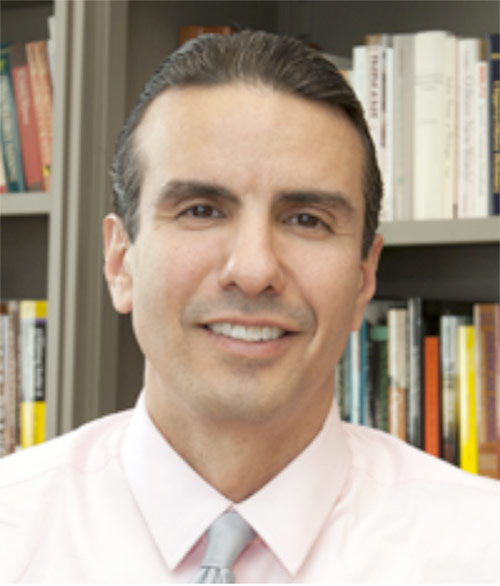
Dr. Anton Treuer
(pronounced troy-er) is Professor of Ojibwa at Bemidji State University and authour of 14 books, including Everytihng You Wanted to Know About Indians But Were Afraid to Ask. His equity, educaton and cultural works has put him on a path of service throughout the region, country and the world.
Warm Up: Visit the website for Why Treaties Matter: http://treatiesmatter.org/
Session 1 The Anatomy of Oppression: The Doctrine of Discovery
Before the dawn of the agricultural age, human beings harvested food and one way or another placed their resources into a
common food cache. Societies took resources from each according to ability and distributed them according to need. But after someone started locking up the food, we got oppression in many forms—slavery, feudalism, and colonization. The Doctrine of Discovery, developed by the Catholic Church, was a codification of the enabling philosophy for oppression; and it fused oppression dynamics and Christianity. Today, Christian faith communities have repudiated the Doctrine of Discovery and begun to explore the role of Christianity in the oppresion of the indigenous peoples, with an eye on atonement, reconsiliation, and living the best tenets of their faith. Come learn about the Doctrine of Discovery, oppresion, dynamics, and lean in to the a healthy discussion about what healing really looks like.
Session 2 Supreme Law of the Land: Indian Treaties from the Revolution to Standing Rock
Native Americans are not just distinct cultural enclaves. They are independent political identites with histories far older than the United States. What parts of the pre-contact sovereignty have remained? Which had changed? What is a native nation? And what is the cultural tapestry in Indian country really like? From the genesis of the American nation to the contemporary struggle at Standing Rock, let's take a deeper look at the first Americans to better understan the history of this place and inform our efforts to reconcile differences for the future generations.
Follow Up: Want to go deeper into Tribal Histoty and Language? Try this.
Read Everything You Wanted to Know About Indians But Were Aftaid to Ask
Watch First Speakers: Restoring the Ojibewe Language
Free at Twin Cities Public Television: http://www.tpt.org/?a=productions&id=3
Watch The Doctrine of Discovery: Unmasking the Domination Code
October 13/14 - Session 2: Biblical and Confessional basis from which all of these conversations flow – why this is not optional for Lutherans!
Bishop Guy Erwin
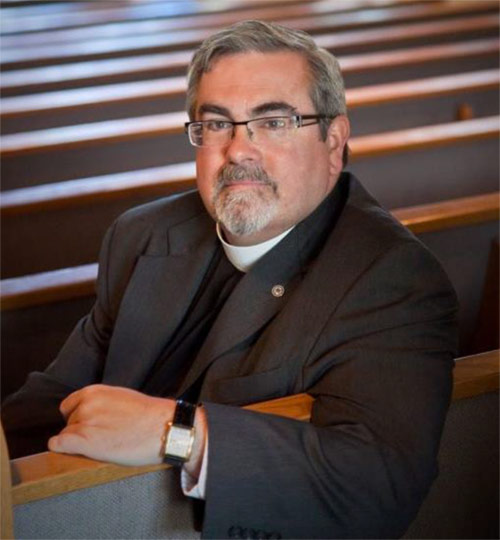
The Rev. Dr. R. Guy Erwin was elected bishop of the Southwest California Synod in 2013. He is the first Native American to be elected bishop in the Evangelical Lutheran Church in America as well as the first openly gay person to serve as an ELCA bishop. Bishop Erwin is a member of the Osage Nation. After earning a PhD from Yale University, he was Lecturer in Church History in the Yale Divinity School (YDS) where he taught History of Western Christianity as well as courses on Martin Luther, the Pietists and other specialties. He taught at California Lutheran University from 2000 until his election as bishop. Bishop Irwin related his experience as a member of the Osage Nation and how that has impacted his life.
November 10/11 - Session 3: History of the Indian Nations of Wisconsin, Act 31, the view from a Wisconsin public school classroom & stories of real interaction with tribes –Jeff Ryan and Paul Rykken.
December 8/9 - Session 4: History of Federal Law relating to Native Americans (which of course includes Treaties), including conversation about whatever is current on this topic, like Standing Rock is now – with Gordon Straw.
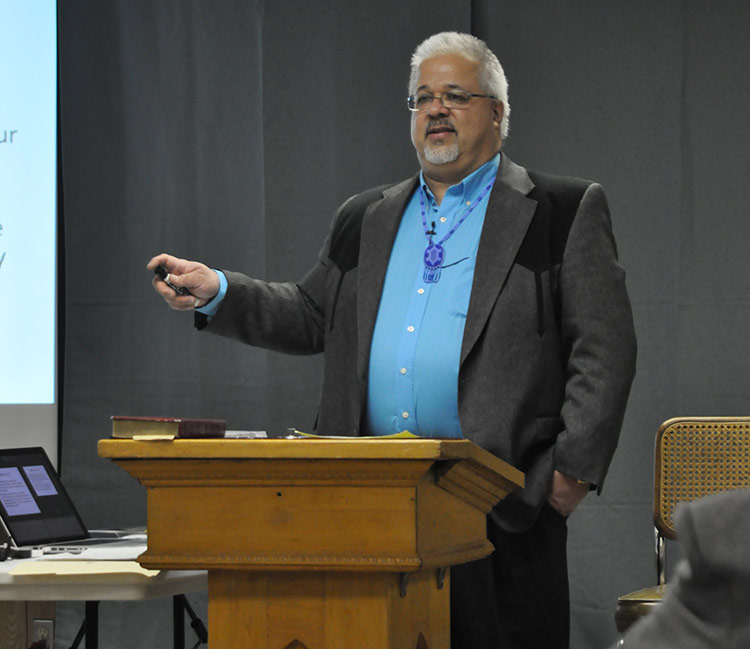
“The Nations Within: The Legal Context for Ministry Within Tribal Communities”
A crucial dynamic or tension exists when non-Indian congregations ask American Indians to speak to them about American Indians. Most often, non-Indian congregations want to learn more about “Native Spirituality” and the Natives’ “love for nature.” Or, they want to witness the “quaint” cultures they have heard about, asking American Indians to bring their “costumes” (They aren’t costumes; they are regalia.) and perform. Most often, American Indians don’t want to talk about or share these things. They want to talk about the legal context of their everyday lives. They want to talk about tribal sovereignty, legal jurisdiction and legal rights vs. human rights. Many congregations believe it is unwise to talk about politics in “church.” Many American Indians believe that not talking about politics, specifically Federal Indian Law, reduces them to mere objects of mission or relics of a fictional past. American Indians and members of non-Indian congregations can have wonderful, fruitful discussions about many things, if non-Indians realize that the “legal stuff” must be discussed and understood for authentic and respectful dialogue to begin.
Why start with the “legal stuff?” It is not possible to understand American Indian cultures unless one understands the conditions within which these cultures exist. No culture exists in a vacuum. Cultures are not abstract entities; they are living, evolving organisms. They grow and die. They have no “true form” to which they can be restored. They exist in the realities of the “everyday.” One of the primary aspects of racism against American Indian tribes and people is the romantic notions non-Indians have of them. If American Indians can be seen to be mere backdrops to European manifest destiny or as romantic figures of a bygone era, then non-Indians need not acknowledge the legal commitments made to tribal nations, the genocide of whole peoples, or the material benefits currently enjoyed by non-Indians from possession of stolen lands. The current obsession with “Native Spirituality” is an extension of this racialized view of American Indians. Rather than learning from real American Indians and tribal nations how they exist today, non-Indians want to experience “quaint spiritualities of nature worship,” that never actually existed among American Indians. To be part of an authentic ministry with American Indian peoples, we must learn about and wrestle with the relationship of tribal nations to the United States federal government.
Over the two days we are together, we will address four over-arching topics related to Federal Indian Law: 1) A historical overview of the federal government-tribal nation relationship and the foundations of Federal Indian Law, 2) The evolution of tribal governments, sovereignty, and tribal jurisdiction, 3) Landmark Cases in Federal Indian Law, and 4) Federal Indian Law Issues in Wisconsin, Then and Now. Each session (day) will include an opportunity for deep discussion of the topics presented, in addition to questions of clarification and guided questions for small group reflection. Admittedly, there is way more information to be digested than there is time allotted. My hope is that we cover enough ground for you to feel comfortable continuing these discussions with others in your congregations and with tribal members in your area. As my parish pastor was fond of saying, “You don’t need to know everything before you get started in a ministry, but doing a bit of warm up beforehand is recommended.”
Kay Ressel
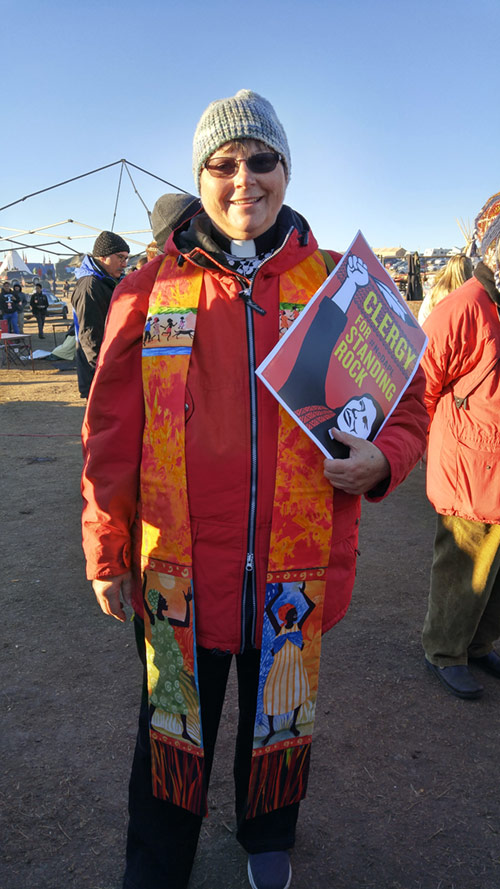
January 12/13, February 9/10, March 9/10 - Sessions 5, 6 and 7: White privilege/racial justice training. Kay Ressel, Pine Ridge Reservation. Kay also shared personal stories from her work at Pine Ridge and Africa.
Kelly
Sherman-Conroy
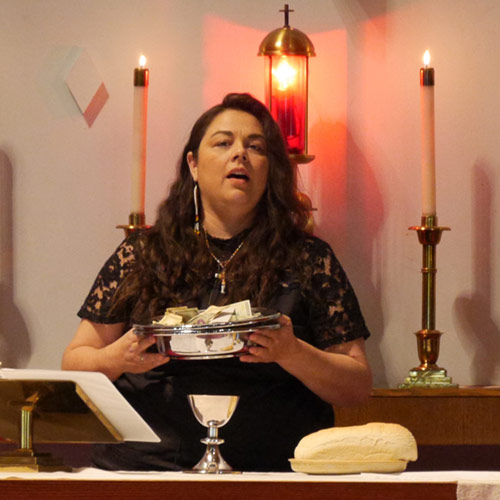
Joann Conroy
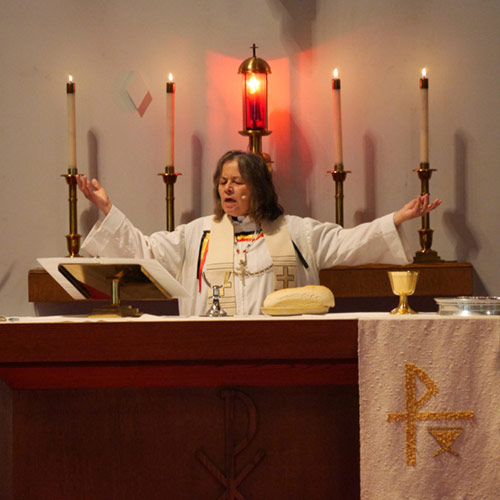
In February Kay was joined by Joann Conroy and Kelly Sherman-Conroy who are Oglala Souix. Joann and Kelly returned in May to particiapate in our closing worship.
April 13/14 - Sessions 8: A late winter snow stormed cause the cancelation of first and second year classes. Field Trips to different reservations in our synod were scheduled for continuing ed students. Better weather up north allowed 17 to meet with a tribal elder at the Red Cliff reservation. Seven attended a meeting with an elder at LCO near Hayword.
Prairie Rose Seminole
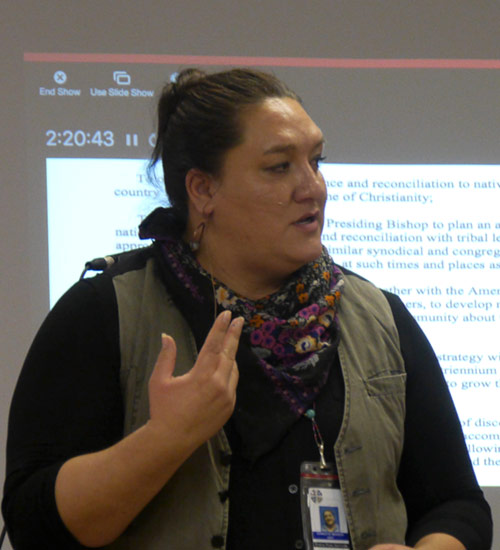
May 11/12 - Session 9: Review, Wrap-up and Planning for the future. Prairie Rose Seminole.
2018-2019 Contining Ed topis was Biblican Lenses and how they affect how the Bible is read.
| Faculty | School | Topics* | Photos |
| Dr. Mark Allan Powell | Trinity Lutheran Seminary | Introduce the basic topic of "How Social Location (and Other Factors--including, apparently, genetic ones) Determine Comprehension" -- with numerous examples, mainly from the Bible. | |
| Dr. Mark Vitalis Hoffman | United Lutheran Seminary | Reading the New Testament through lens of OT and a geographical lens. Place matters. | |
| Dr. David Anderson | Milestones Ministry | Family and Household Eye Glasses – as compared to typical U.S. individualism. | |
| Dr. Corrine Carvalho | University of St. Thomas | “What Video Games and the Nones Have to Teach Us about the Old Testament.” | |
| Rev. Lori Ruge-Jones and Dr. Phil Ruge-Jones | Synod Pastors | Hearing Scripture (Orality) and Reading Through our Own Biographical story | |
| Dr. Diane Jacobson and Anna Marsh | Professor Emeritus at Luther Seminary | Food and Drink in Scripture | |
| Dr. Kristin Wendland | Wartburg College | Reading What is Hidden | |
| Dr. Charlene Cox | Wartburg Seminary | "Engaging the Living Word: The Text, Narrative Identity, and Spiritual Formation." | |
| Dr. Mercedes Garcia Bachmann | Lutheran Church in Argentina |
Global South lens; Latin American Liberation theology lens; sociopolitical reading of the Bible |
The 2018-2019 Lay School Year marked the last year that Pr. Greg Kaufmann served as the Director of Lay School. He will continue teachning, however. Rev. Dr. Phil Ruge-Jones was selected by the Board to assume this calling and he begain during this year by shadowing Pr. Kaufmann on the tasks involved. Phil also was instumental with selection of faculty for the 2019-2020 Continuing Ed school year and contacting them and scheduling.
Understanding, Renewing, and Co-creating
in God’s Good Creation
Lay School of Ministry of Northwest Synod of Wisconsin
2019-2020 Continuing Education Schedule
September 13 & 14
God is Here: Inhabiting Creation with a Room-Making God
Mary Emily Briehl Duba, University of Dubuque - The 2019 Greg Kaufmann lecturer
Visiting Assistant Professor of Theology, Louisville Institute Fellow
October 11 & 12
When the World was Wild and Waste & Other Creation Stories
Pam Faro, Oral Performance Storyteller and Educator, M. Div.
Richard Swanson, Augustana University (Sioux Falls)
Professor of Religion, Philosophy, and Classics
November 8 & 9
Faith-Inspired Care for the Environment in the Southwest
Glenn Schrader, The University of Arizona, Institute of the Environment
Professor of Chemical and Environmental Engineering
December 13 & 14
Creation: A Native American Christian Perspective
Kelly Sherman-Conroy, Luther Seminary
Ph.D. Student
January 10 & 11
Climate and Faith: The Science, Our Shared Values and Some Responses
Jim Boulter, University of Wisconsin-Eau Claire, Watershed Institute
Associate Professor of Chemistry
February 7 & 8
A Watered Garden: Worship and Ecology
Benjamin M. Stewart, Lutheran School of Theology at Chicago
Gordon A. Braatz Associate Professor of Worship
COVID-19 Forced us to cancel our last three speakers for the year. We will be moving to Zoom meetings for Lay School until such time as we may safely meet in person again. These speakers would have been great as well.
March 13 & 14
Practicing Joyful Stewardship
Jim Martin-Schramm, Luther College
Professor of Religion
April 3-4 (weekend shift to avoid Good Friday) (This class was canceled because of the Covid-19 pandemic)
Eco-Reformation, Jesus and the Bible: Cultivating Hope and Healing for All
Barbara Rossing, Lutheran School of Theology at Chicago
Professor of New Testament
May 8 & 9
Resisting Structural Evil to Heal a Broken World (This class was canceled because of the Covid-19 pandemic)
Cynthia Moe-Lobeda, California Lutheran University
Professor of Theological and Social Ethics
2020-2021 Continuing Education Instructors and Topics
Biblical Welcome and Sojourning Saints:
Living into the 2019 ELCA Church Wide Assembly Decisions and Commemorations
 |
Karen González |
Justice, Compassion, and Truth in the Immigration Conversation |
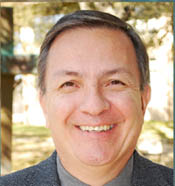 |
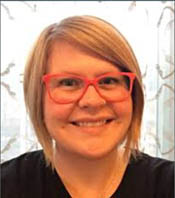
Javier Alanis |
Immigration & the Image of Diosito/God, the Beloved: a Southwestern Perspective |
|
Richard Ward |
Just Jesus or A Just Jesus: the Politics of Following Jesus |
 |
Aubrey Thonvold |
Co-Creating a World without Outcasts, 10 Years Later |
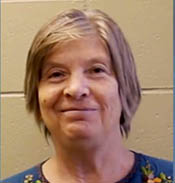 |
Mary Campbell
|
Being a Sanctuary Denomination |
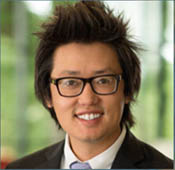 |
Michael Chan |
Welcoming the Stranger: Legal and Prophet Witness from the Old Testament |
Rhonda Hill |
Race and Faith on Living Out Liberation: Challenging Racism in the Church |
|
|
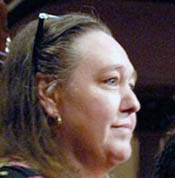
Tuhina Verma Rasche |
Christian Hospitality in an Inter-Religious, Authentically Diverse World April 9 & 10 Activist, artist, (un)intended disruptor Blogger at medium.com/@tvrasche and thislutheranlife.blogspot.com/ |
 |
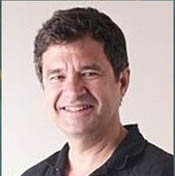
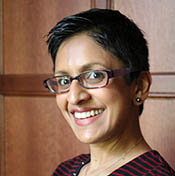
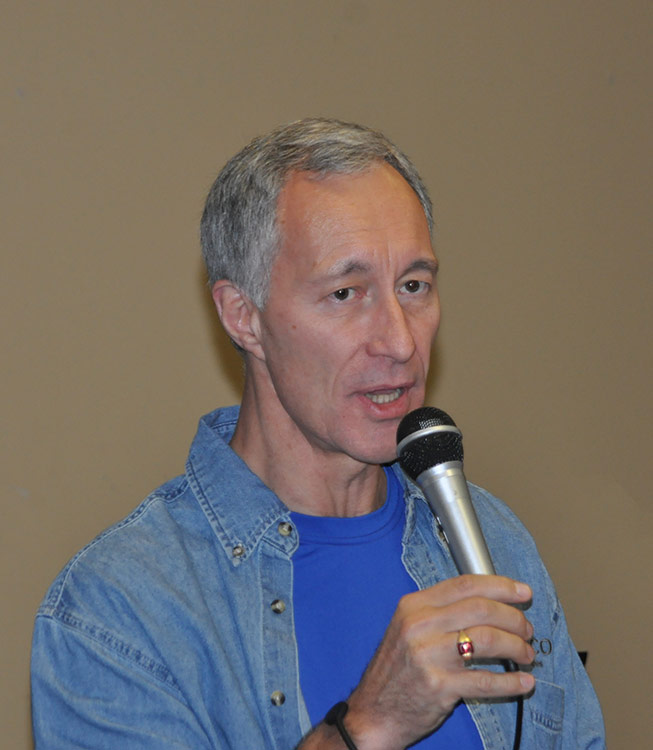
Julia Dinsmore |
My Name is Not "Those People", It is Child of God: Abolishing Economic Injustice
|
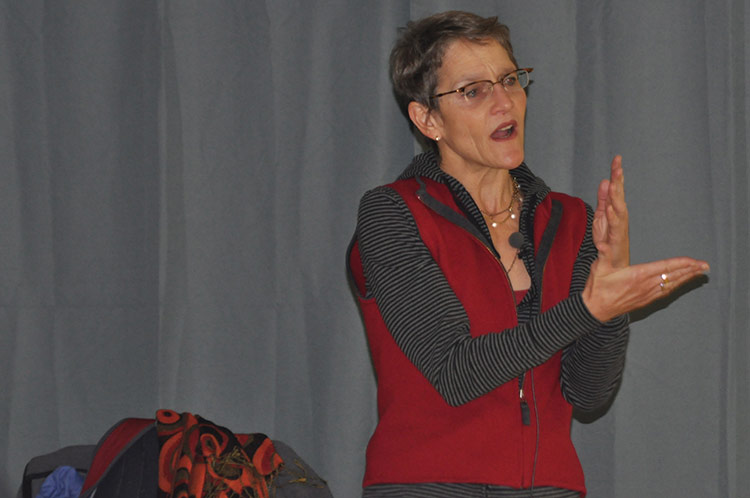
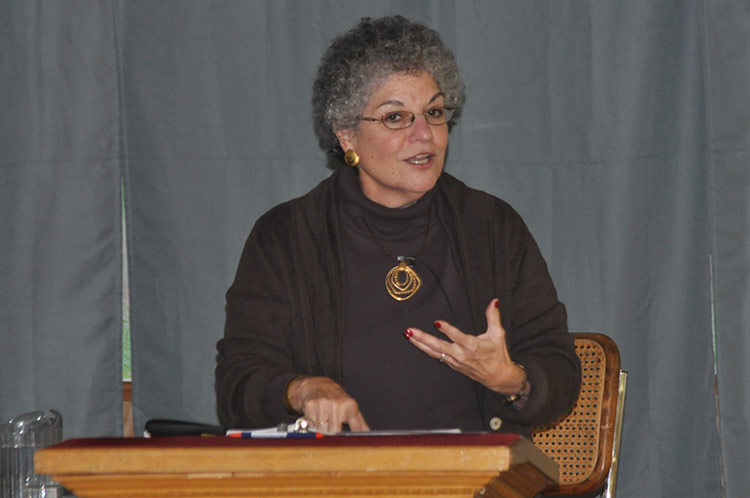
![Photo]](PhotoPages/2012-2013/Sue-Eidahl.jpg)
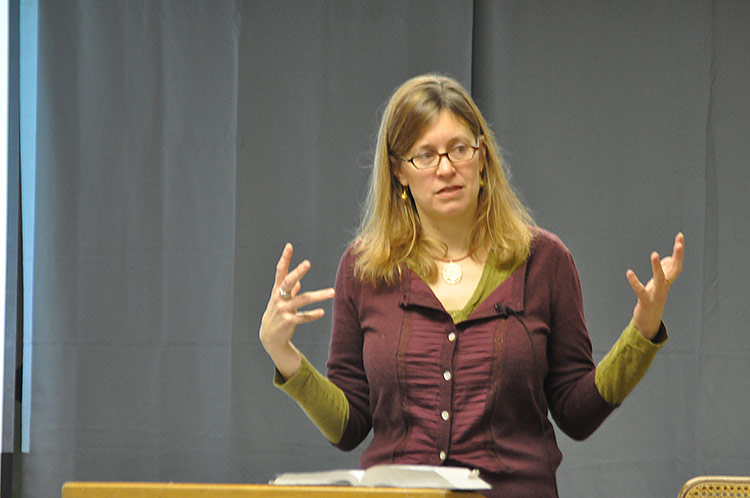
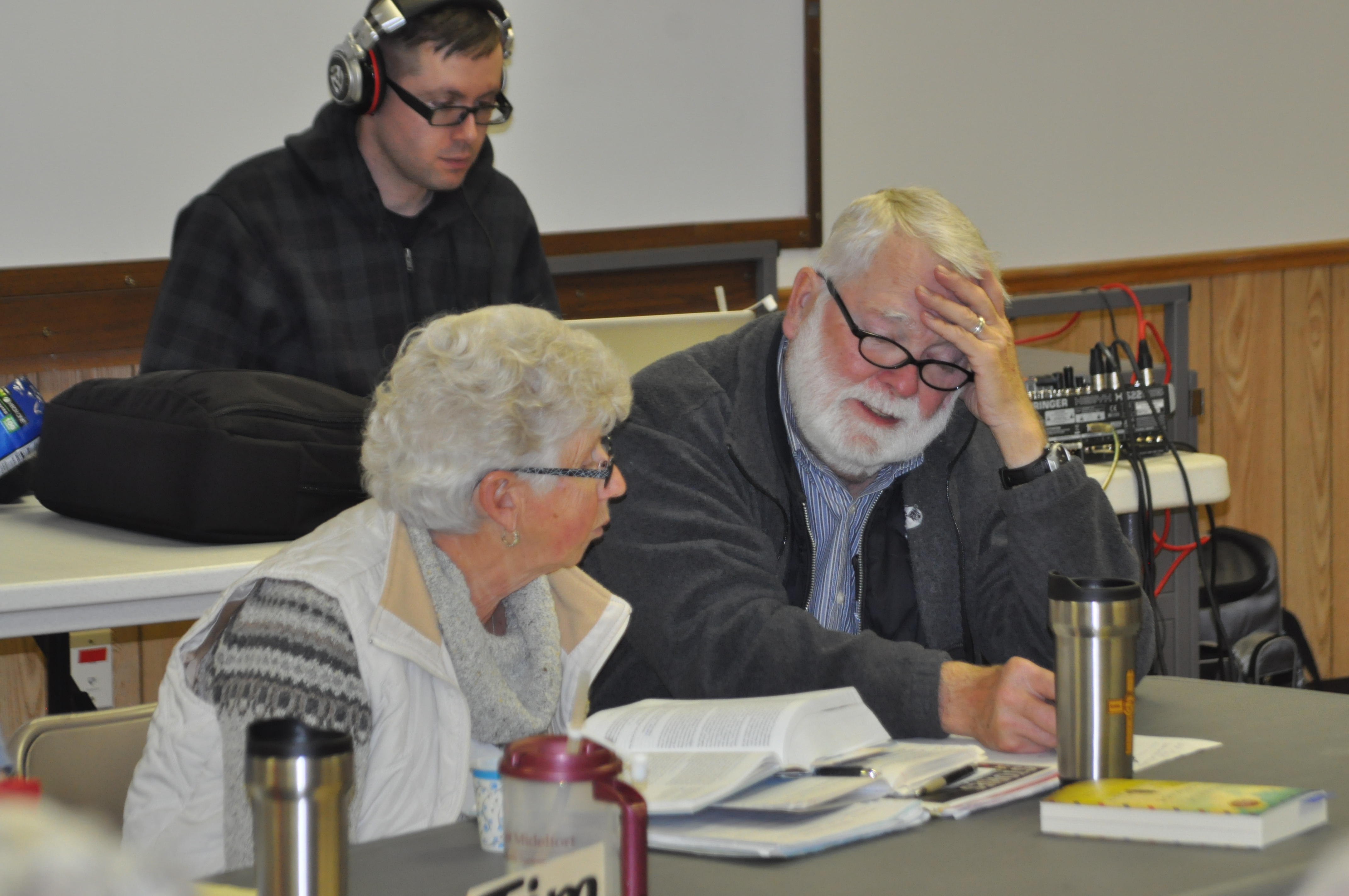
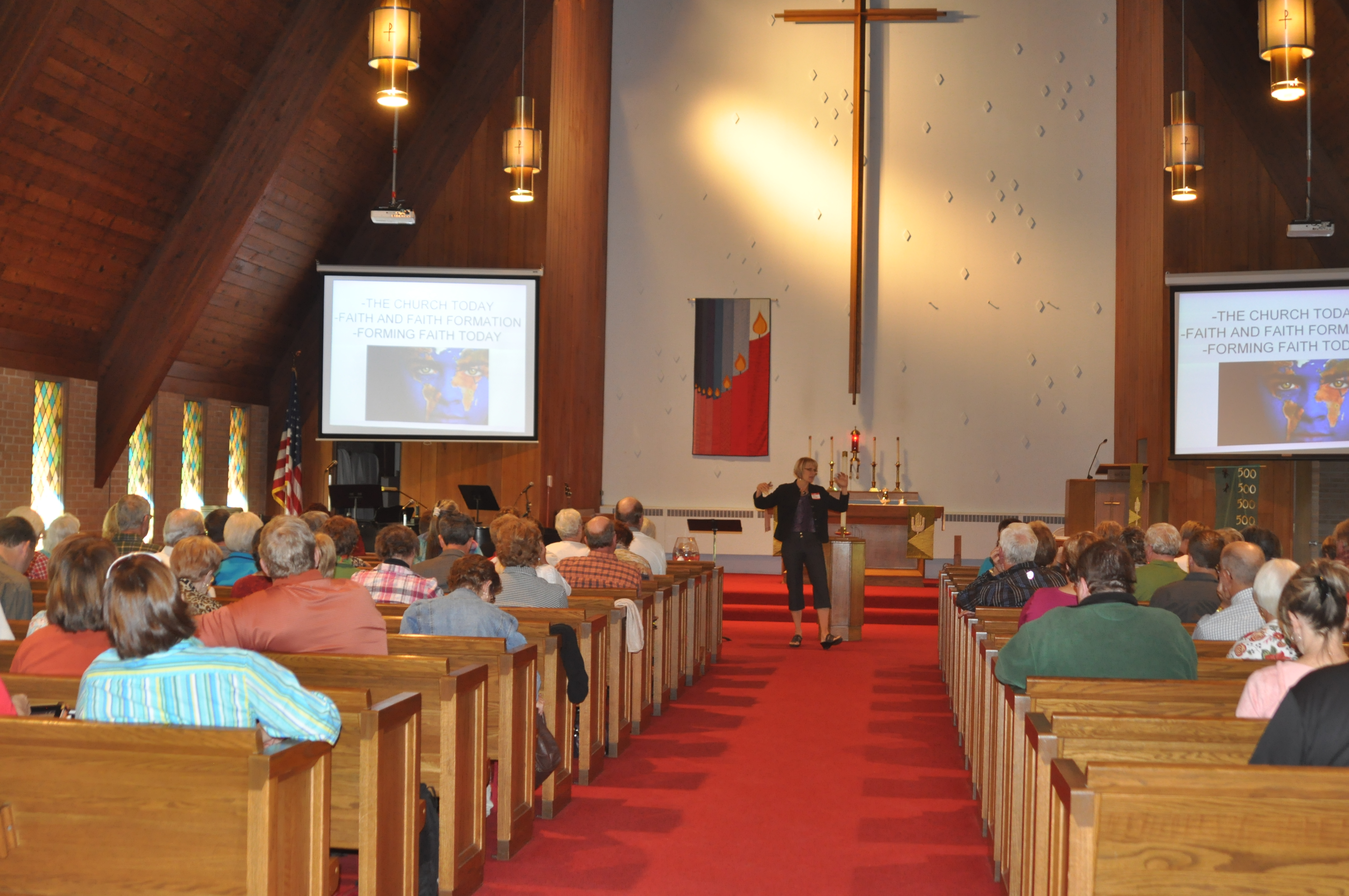
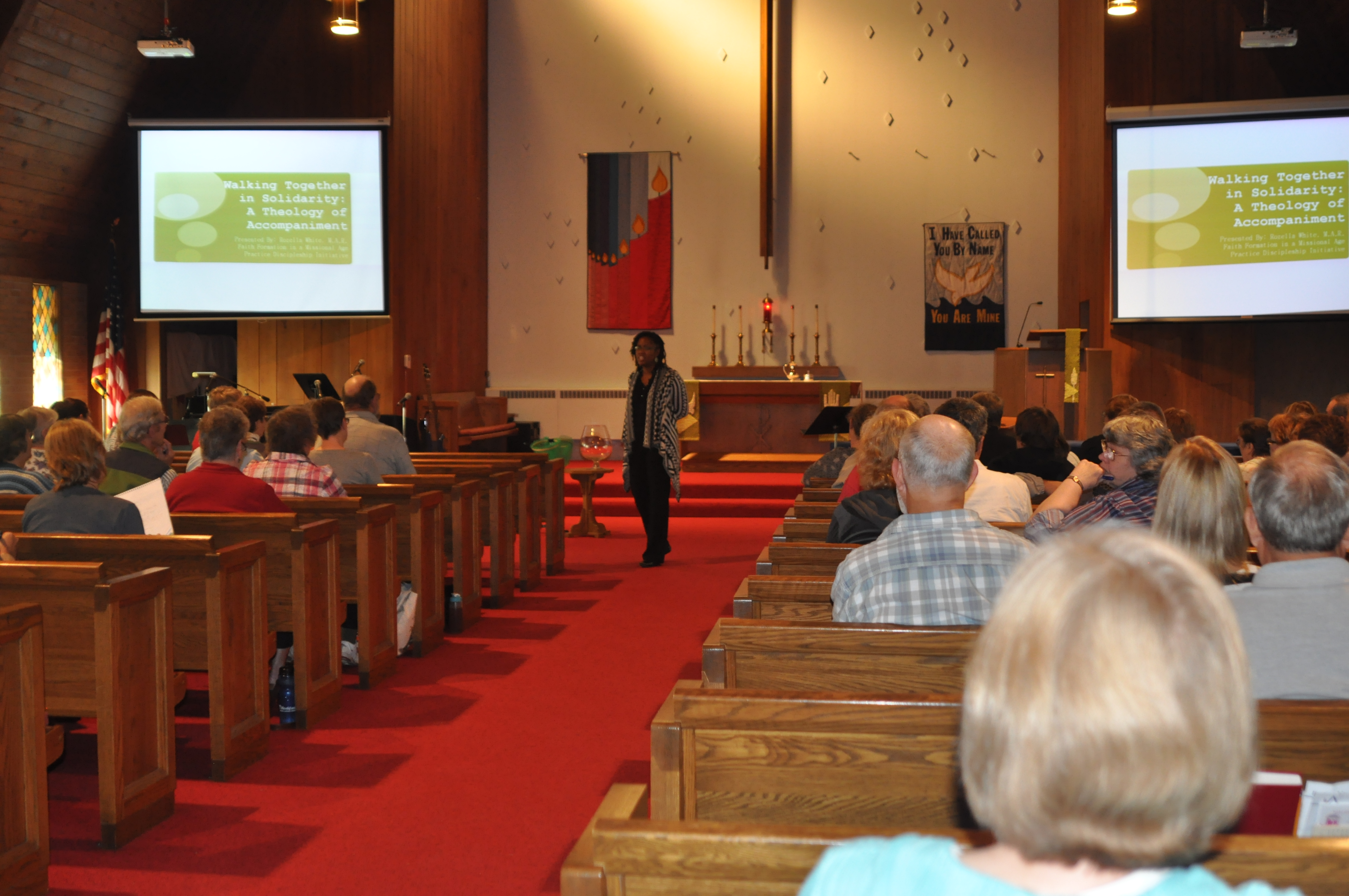
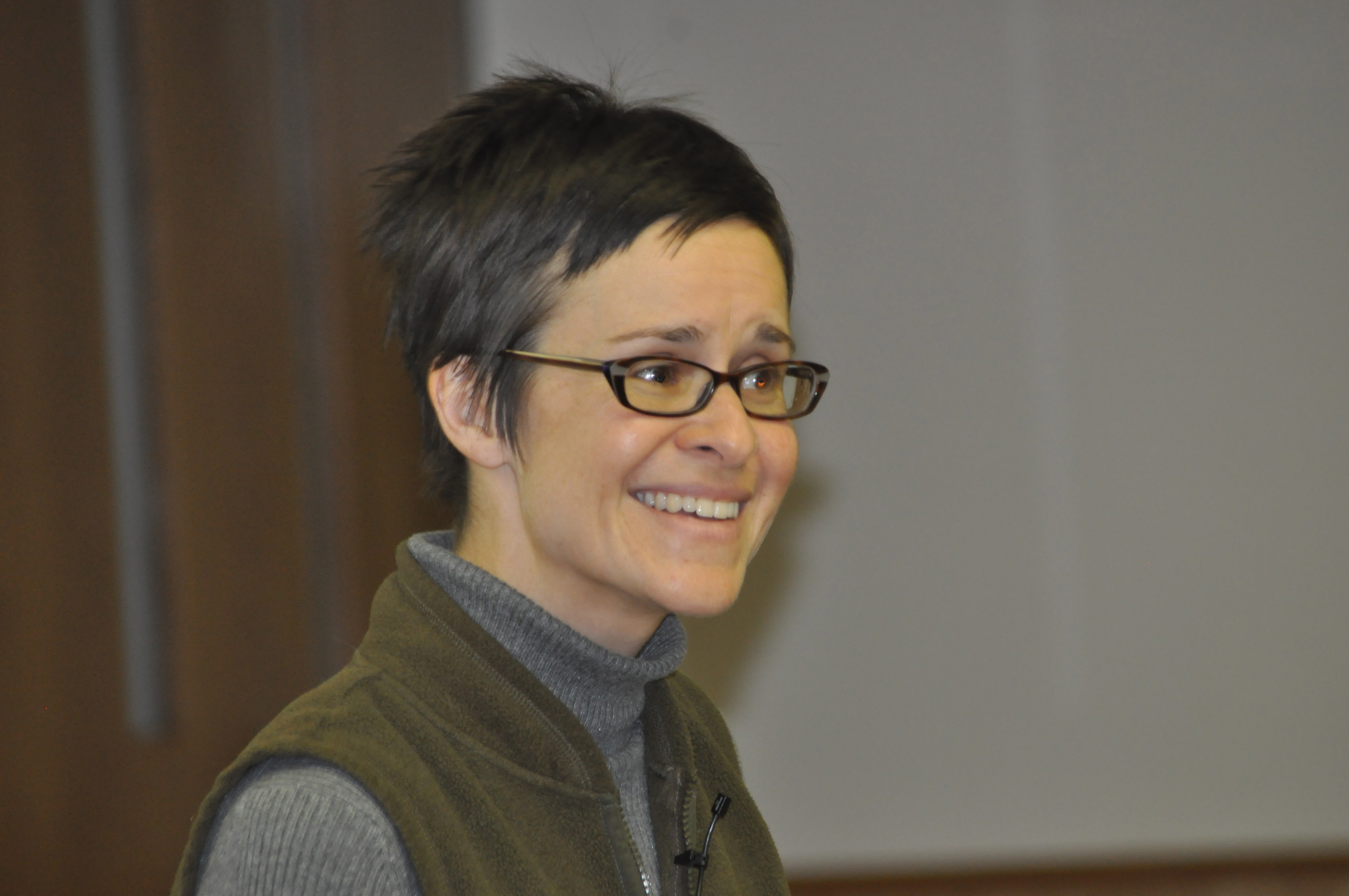
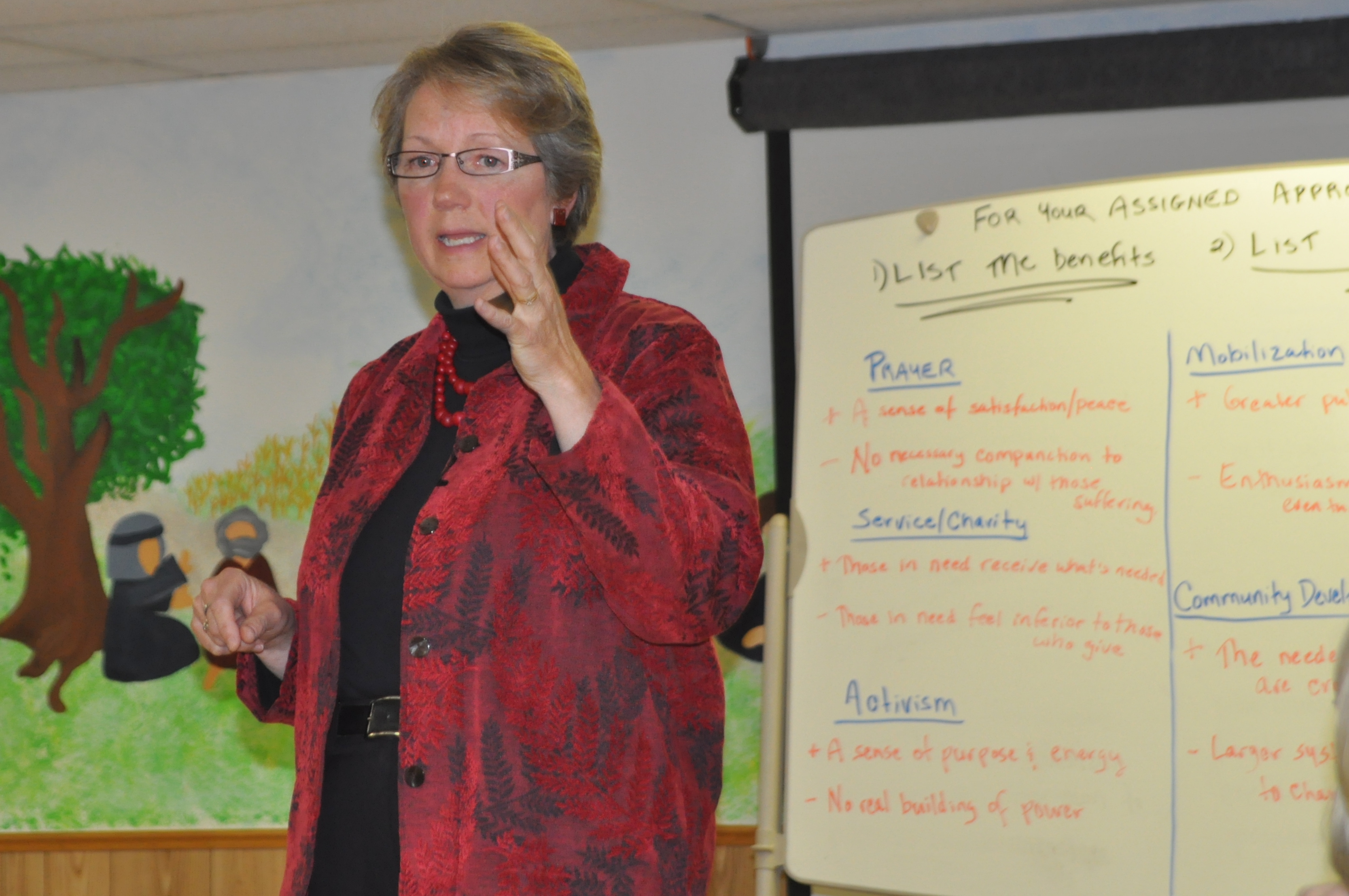
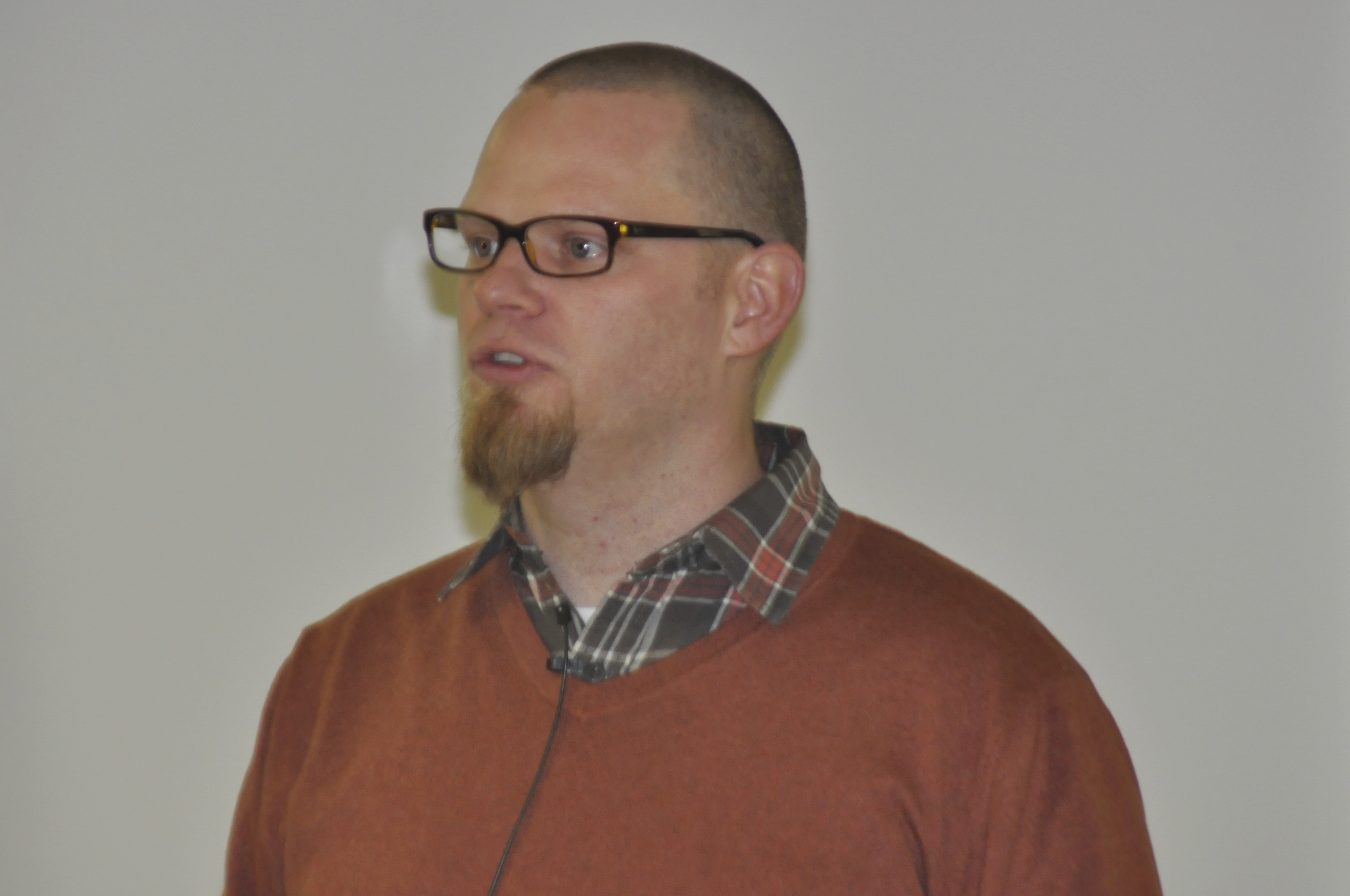
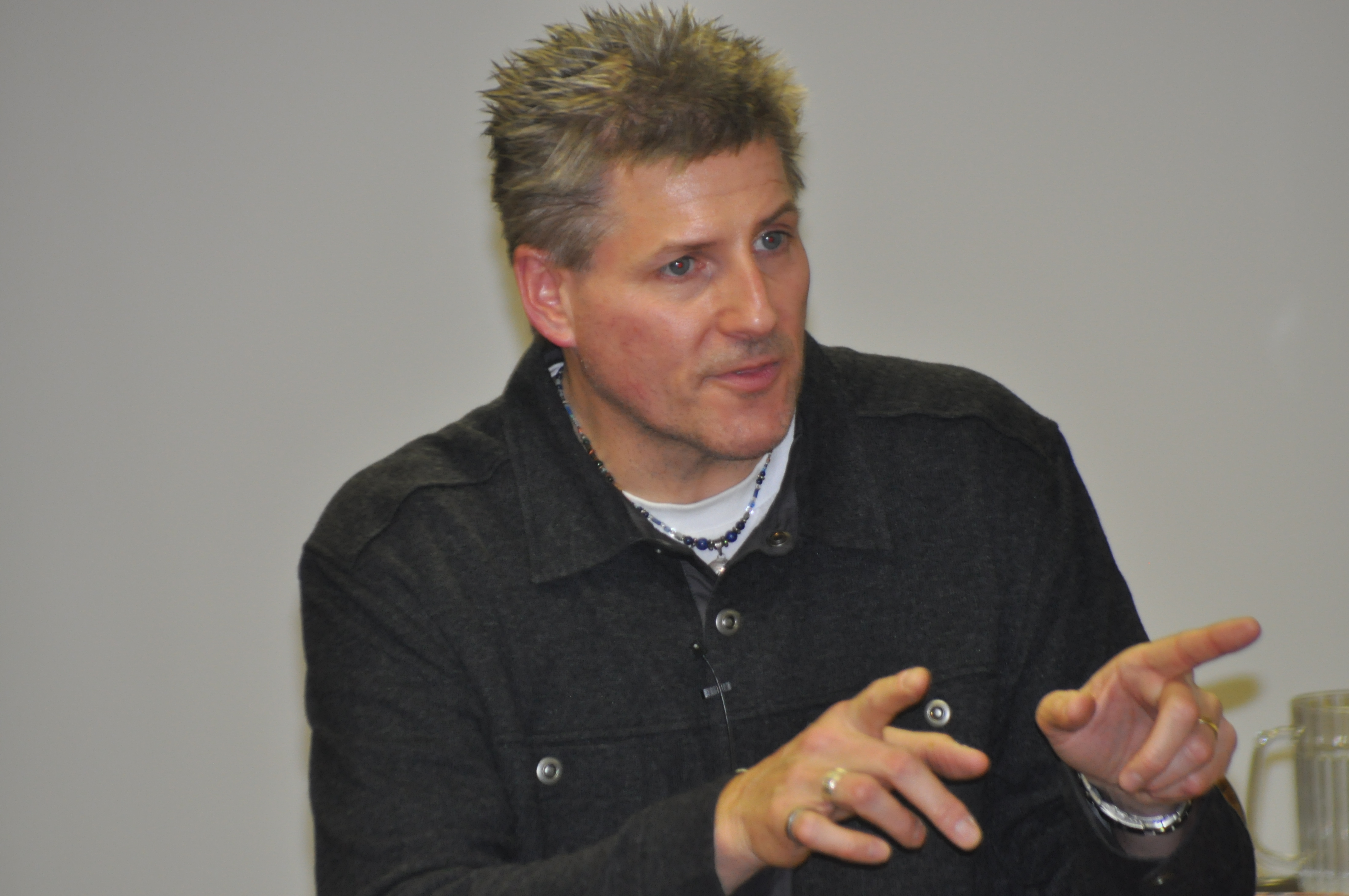
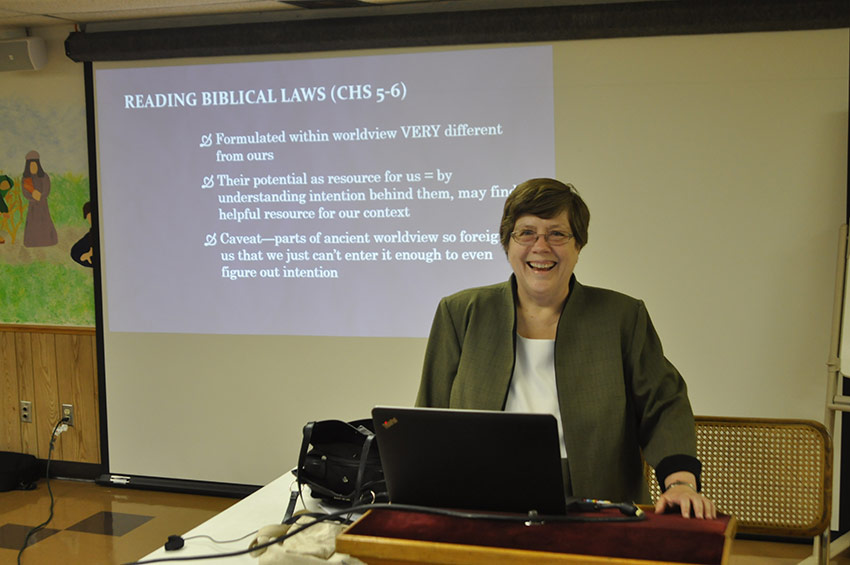
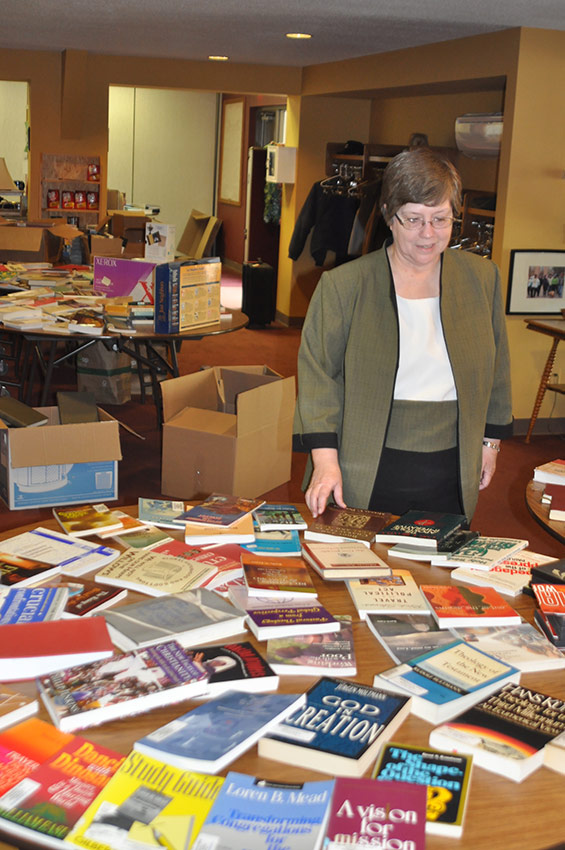
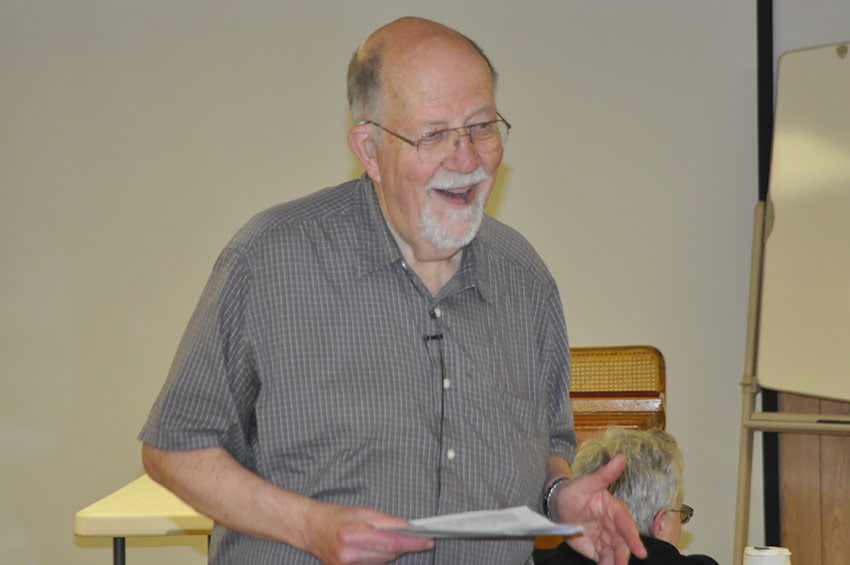
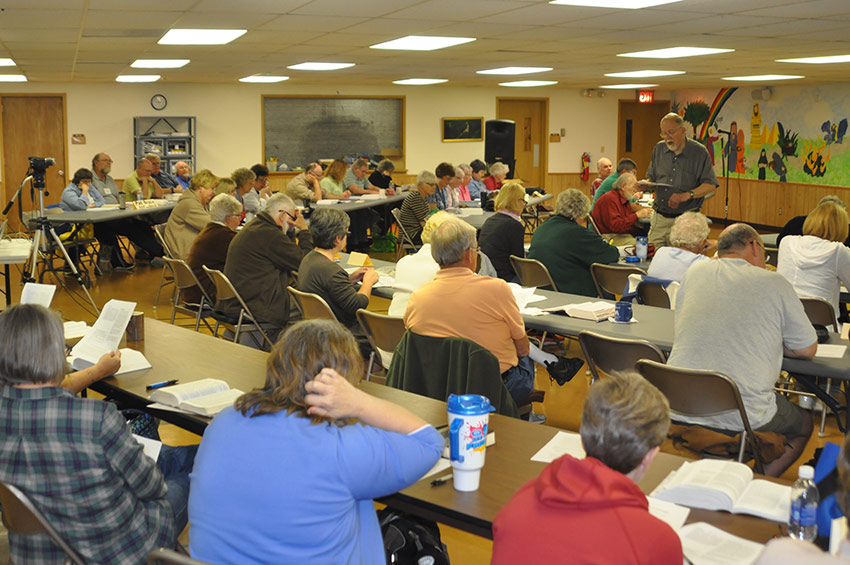
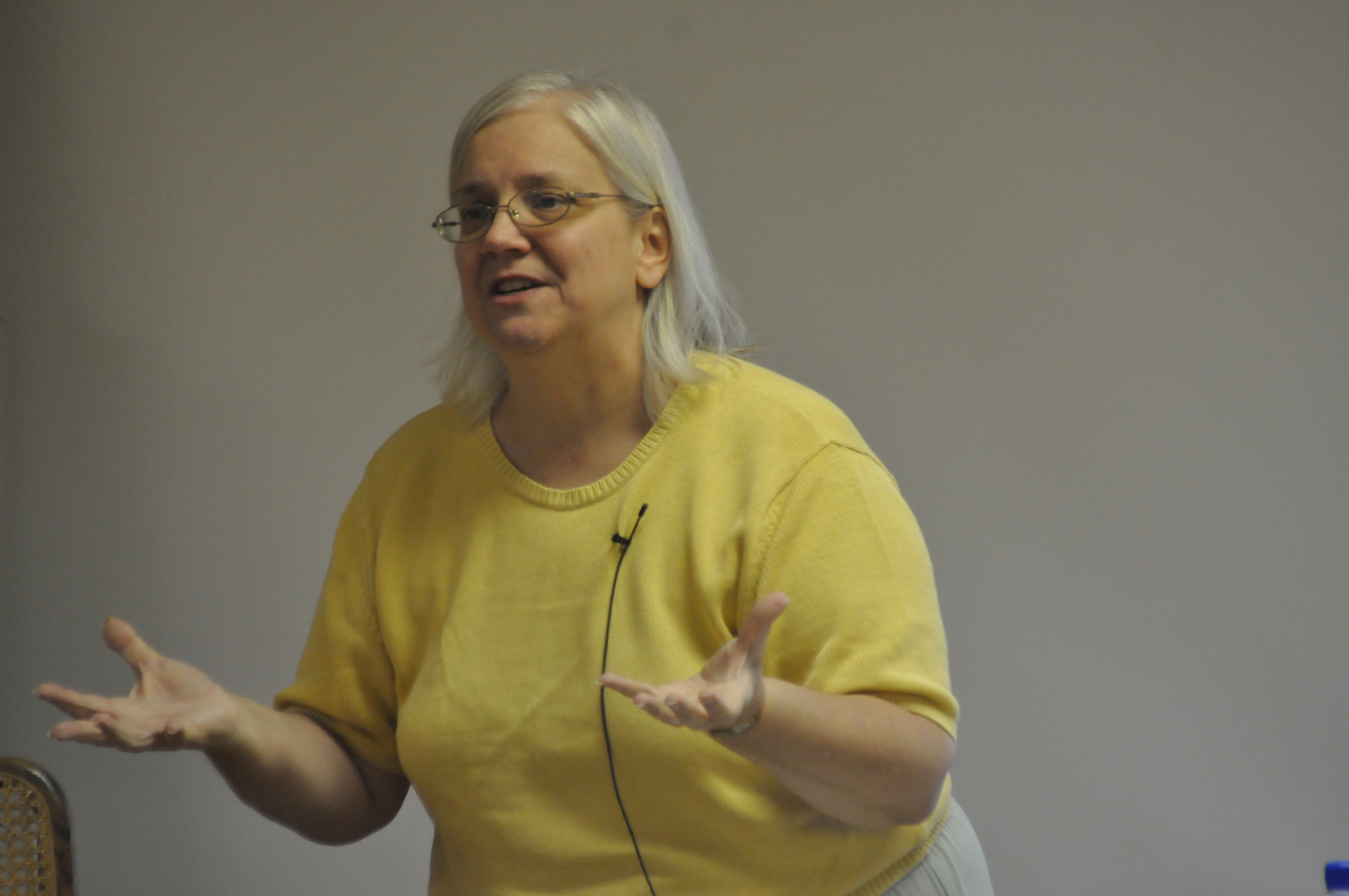
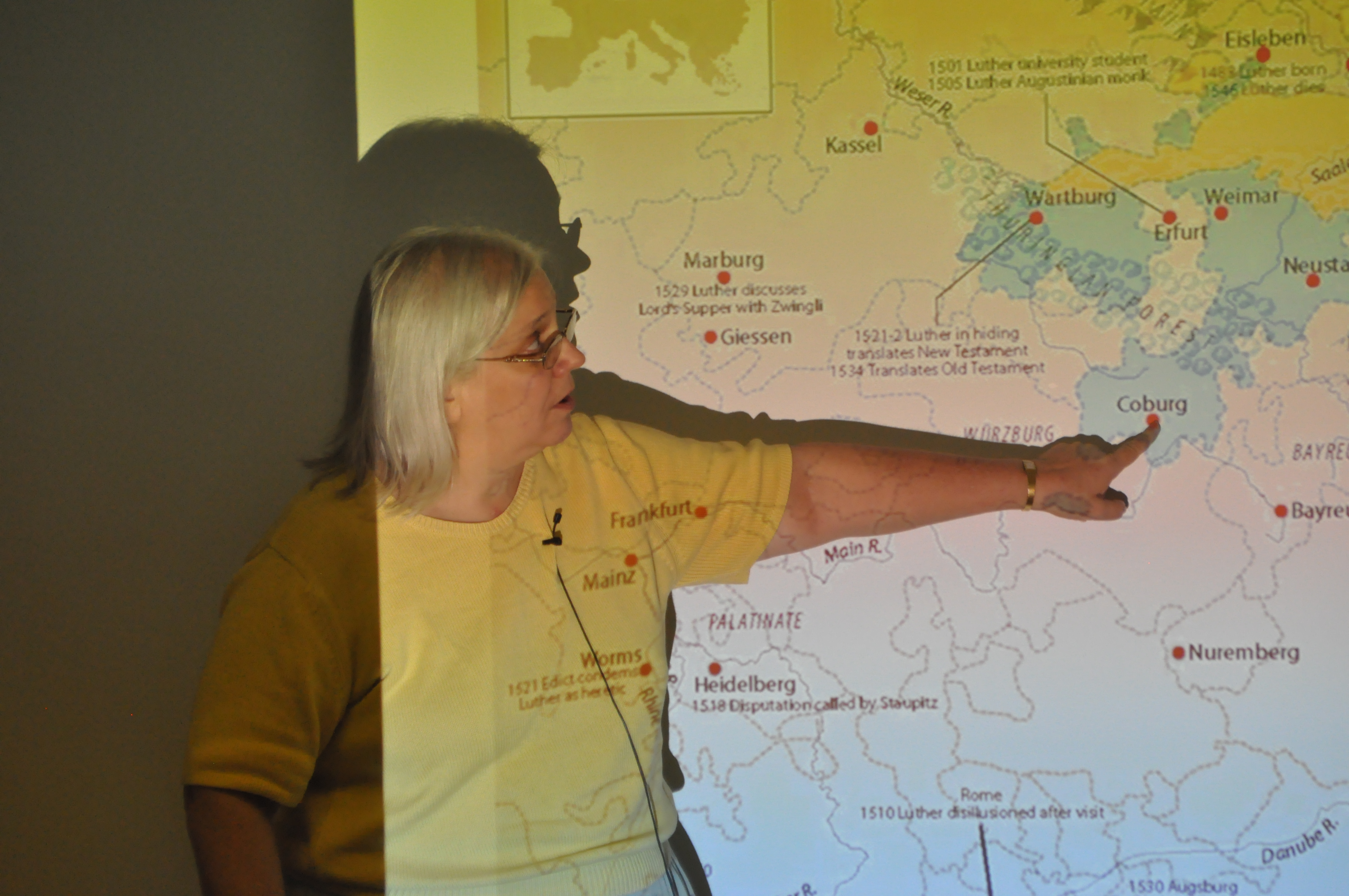
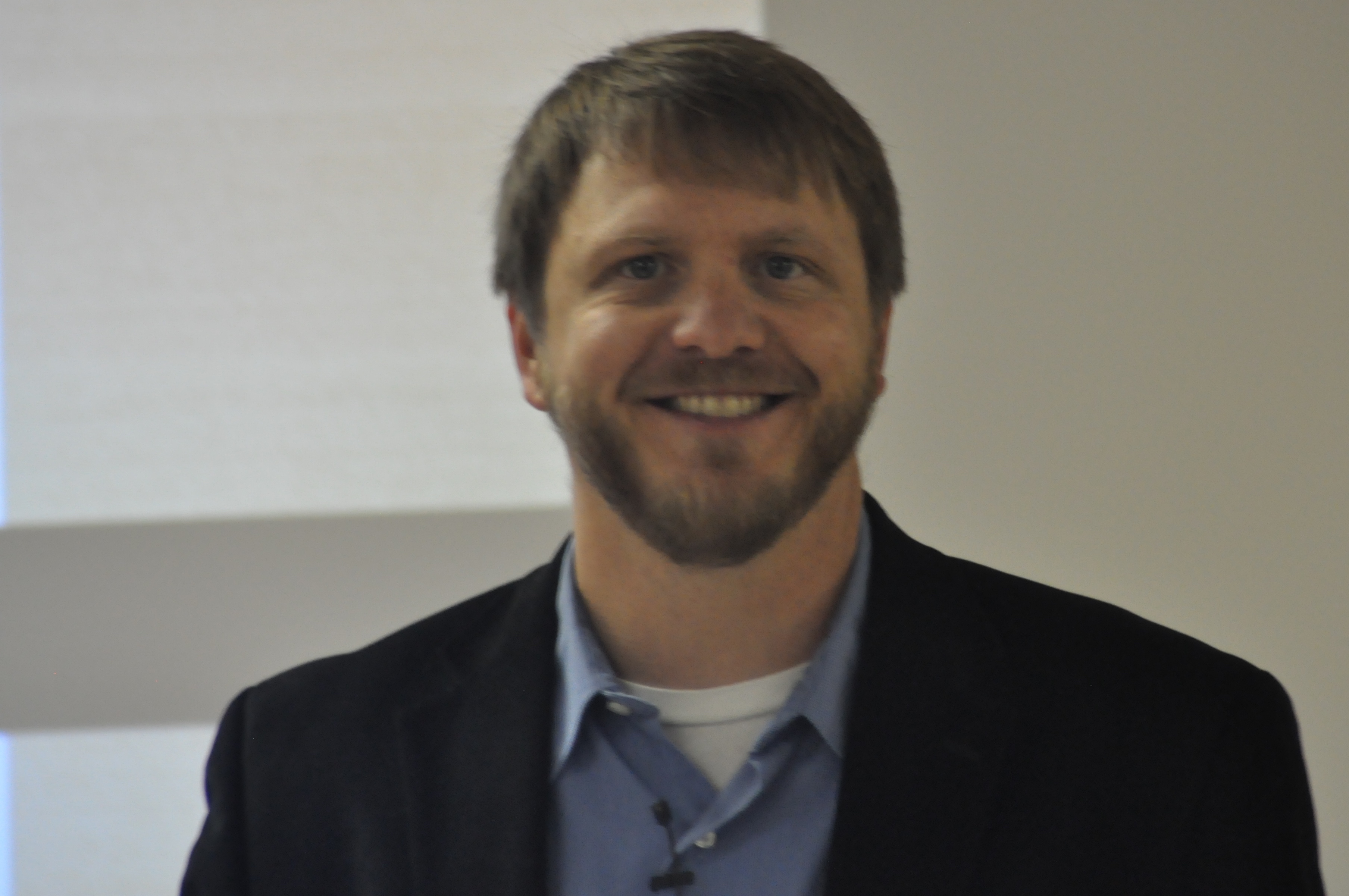
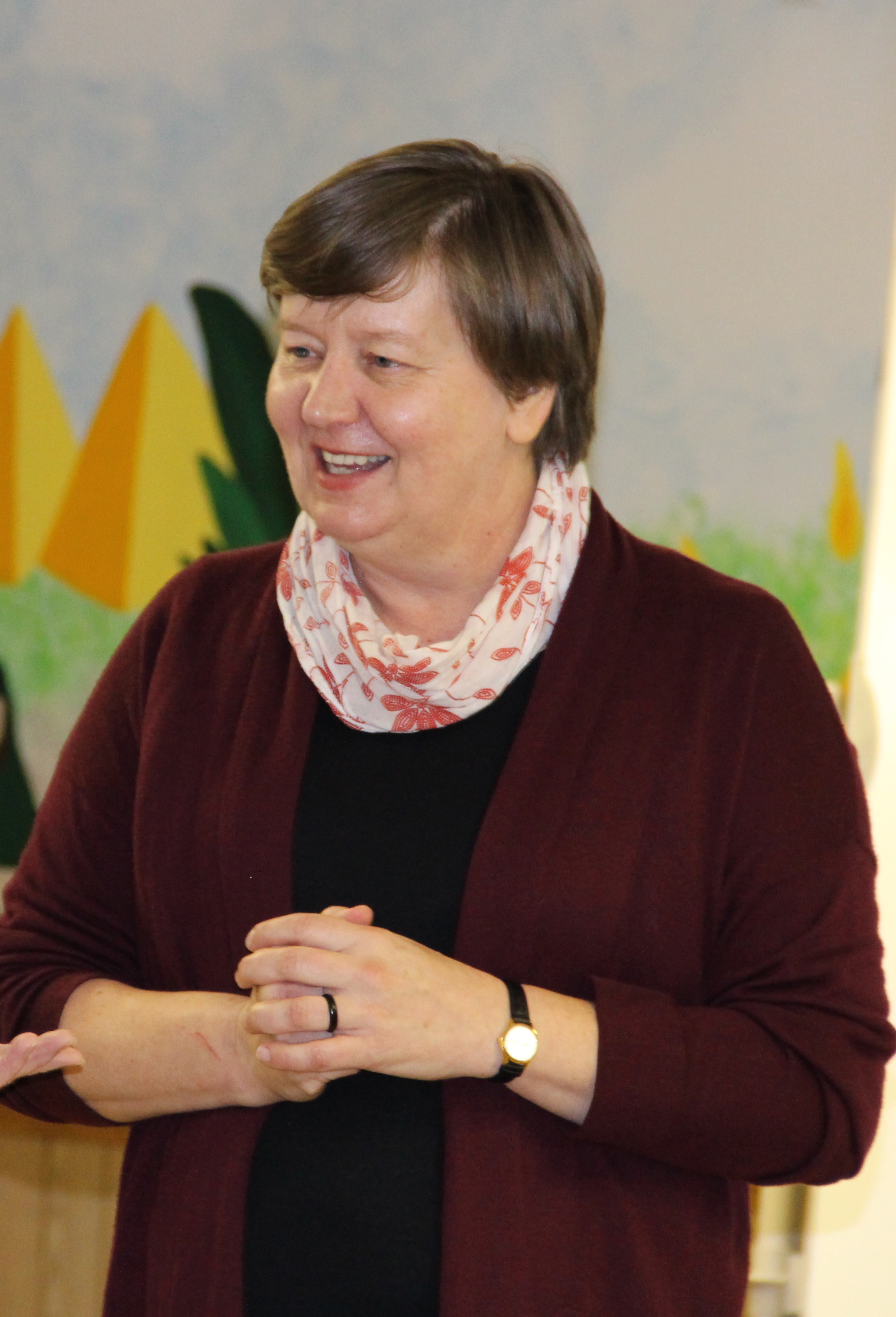
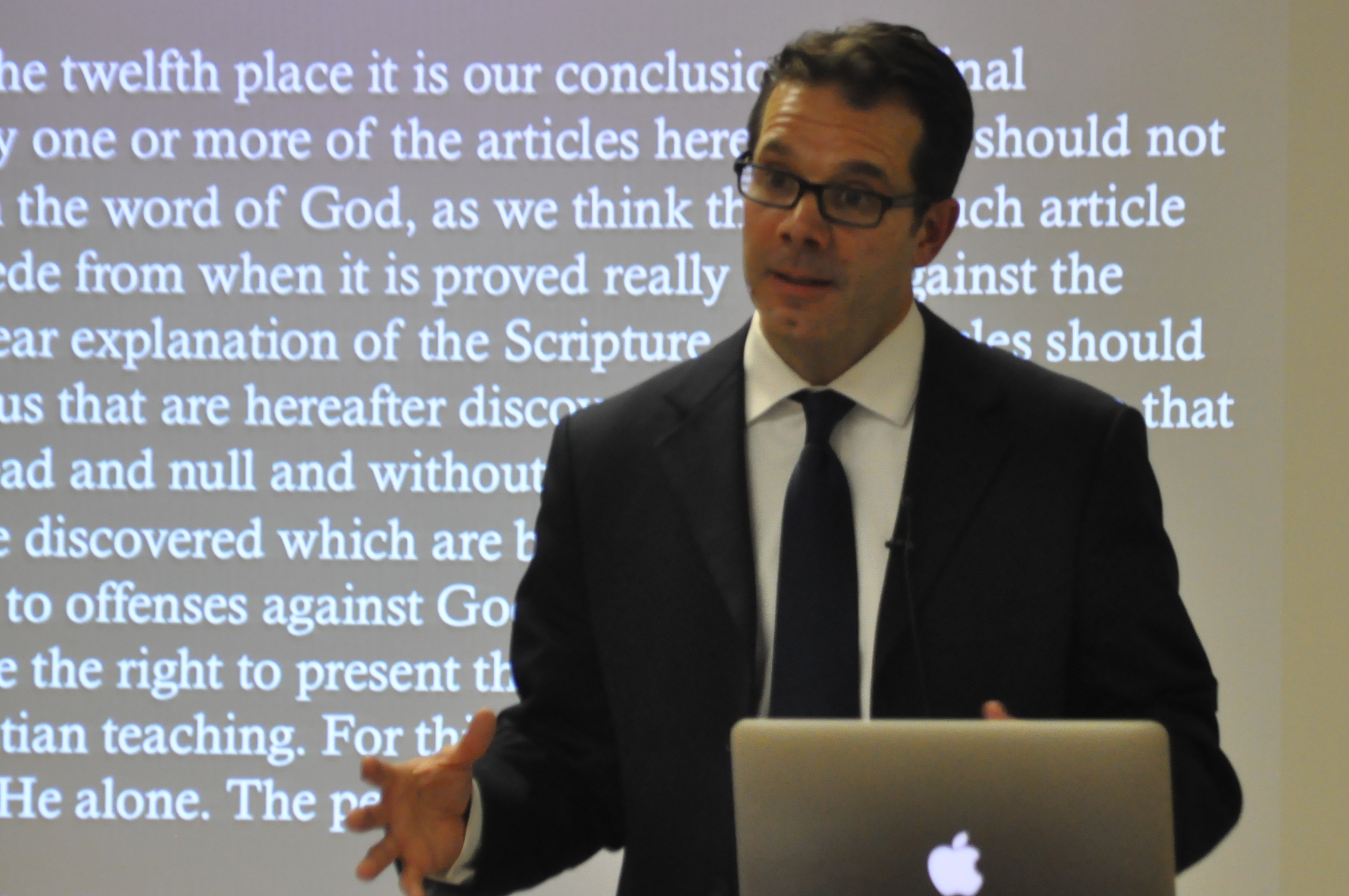
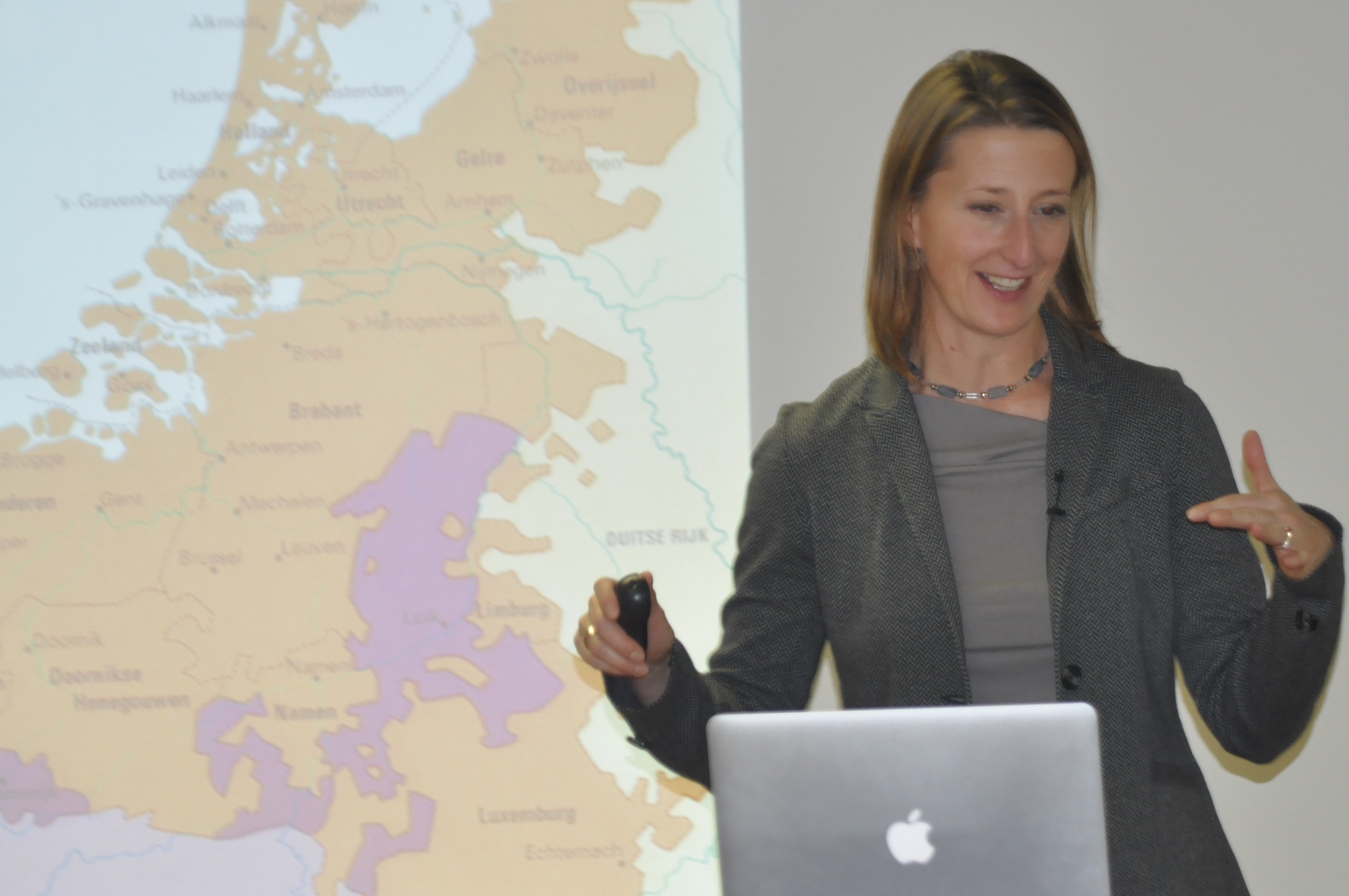
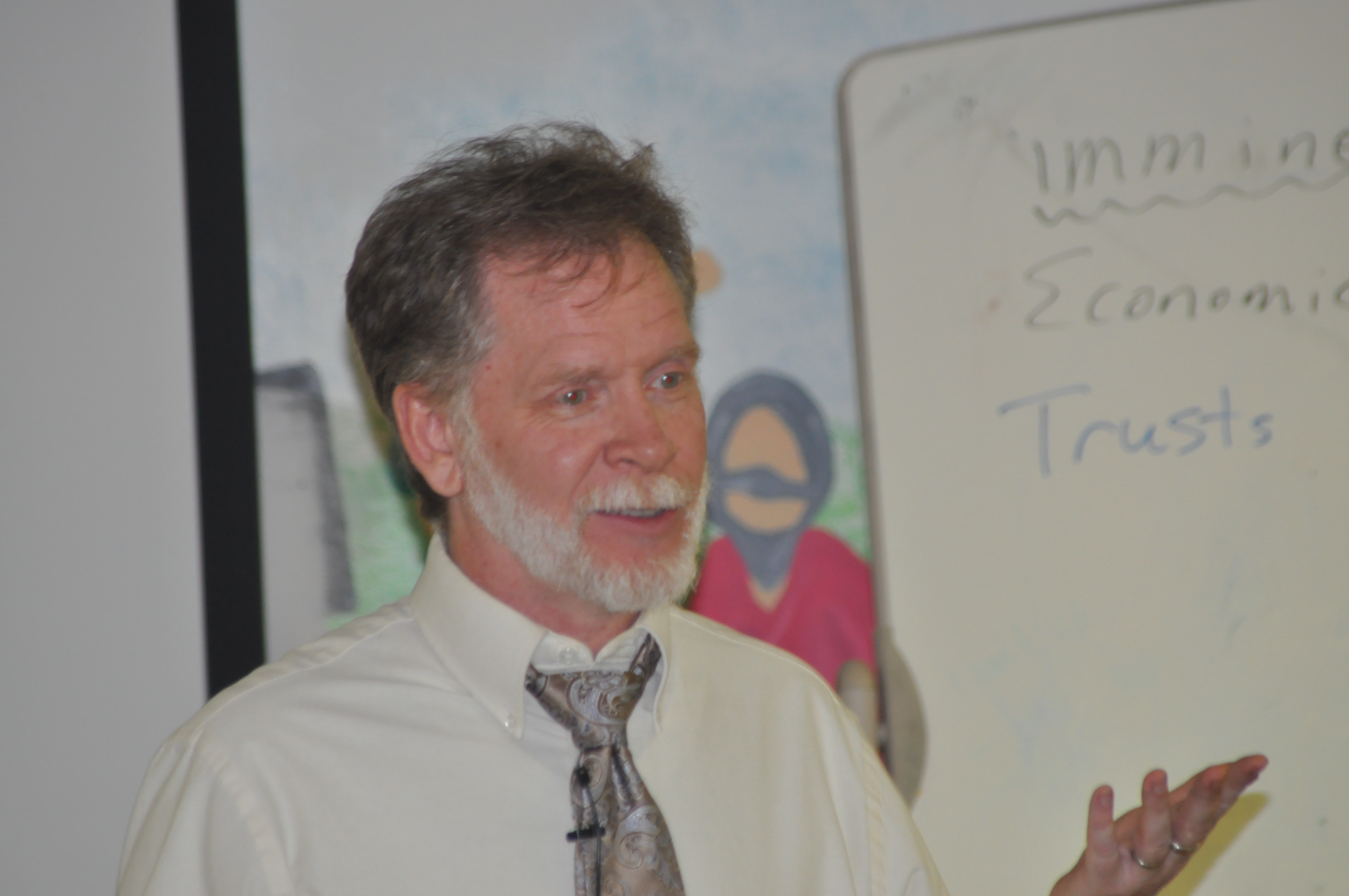
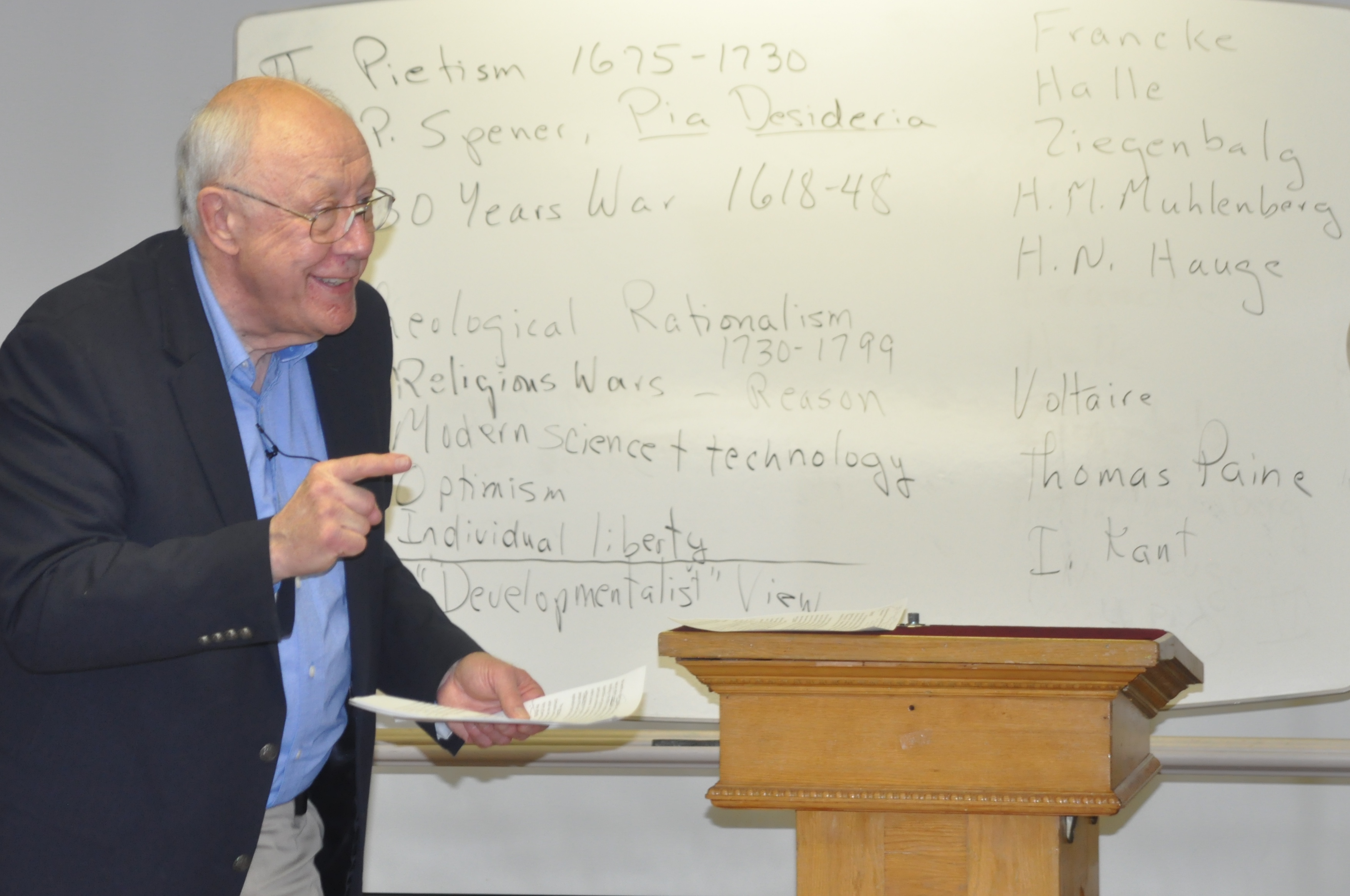
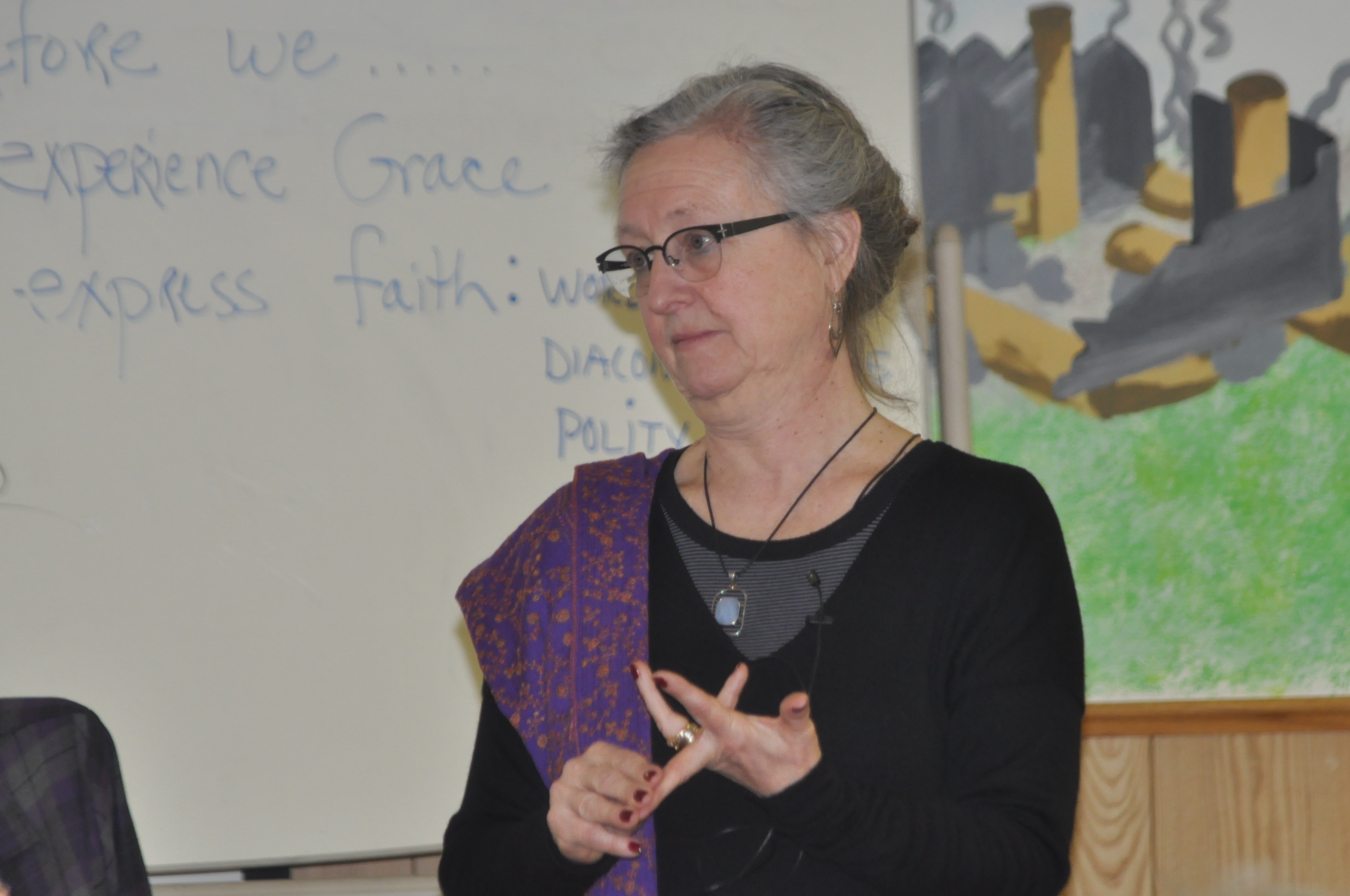
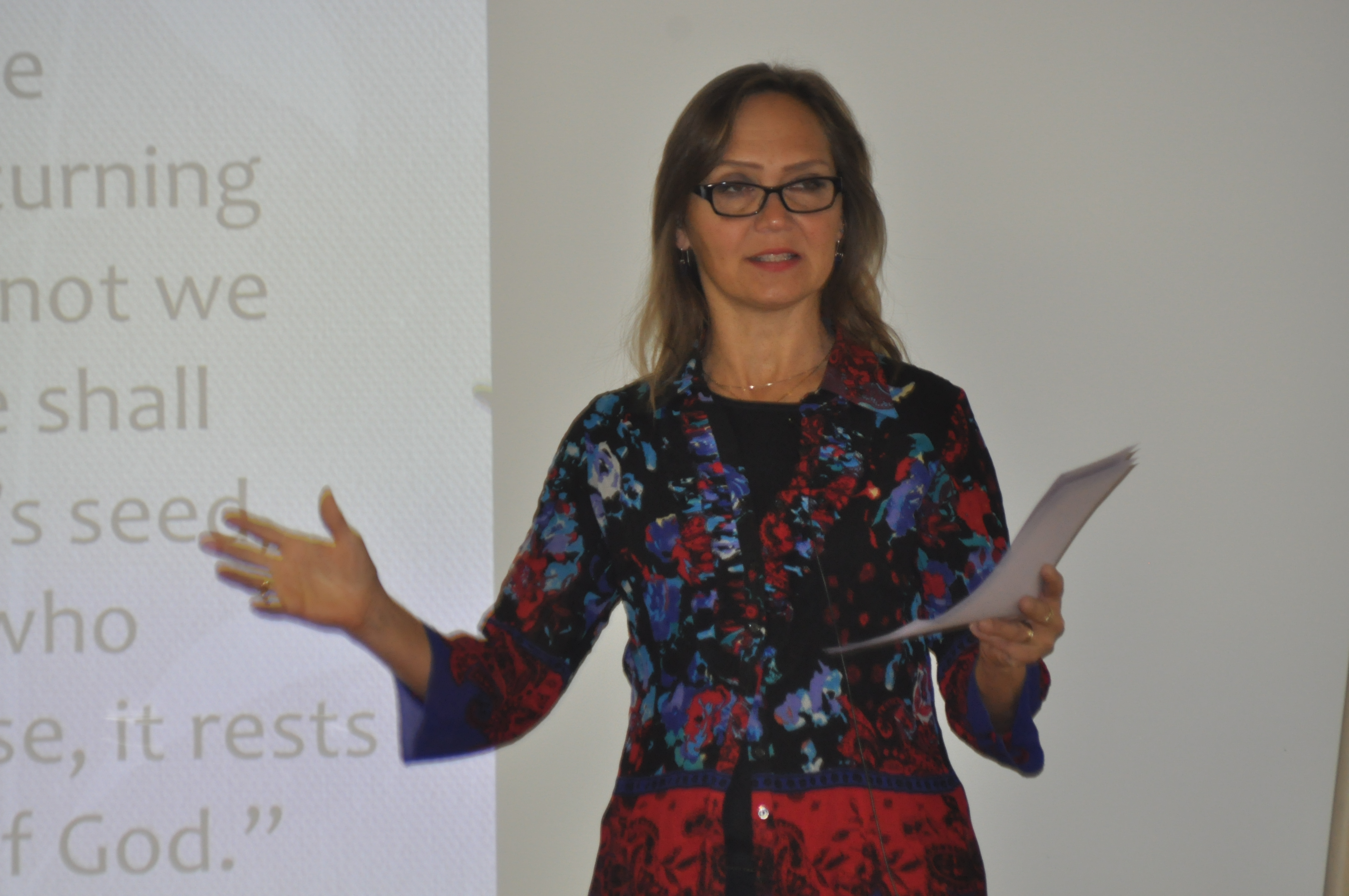
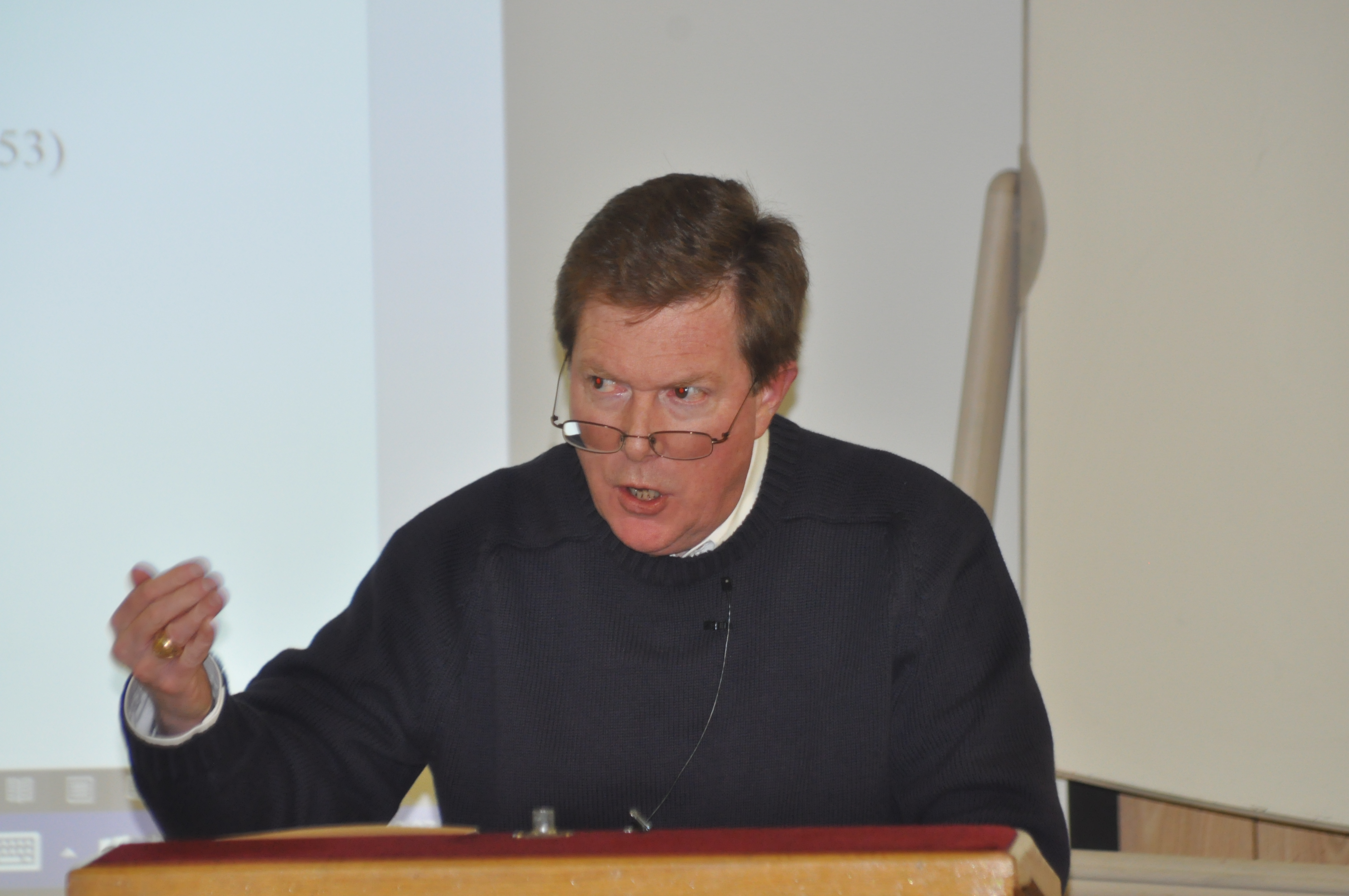
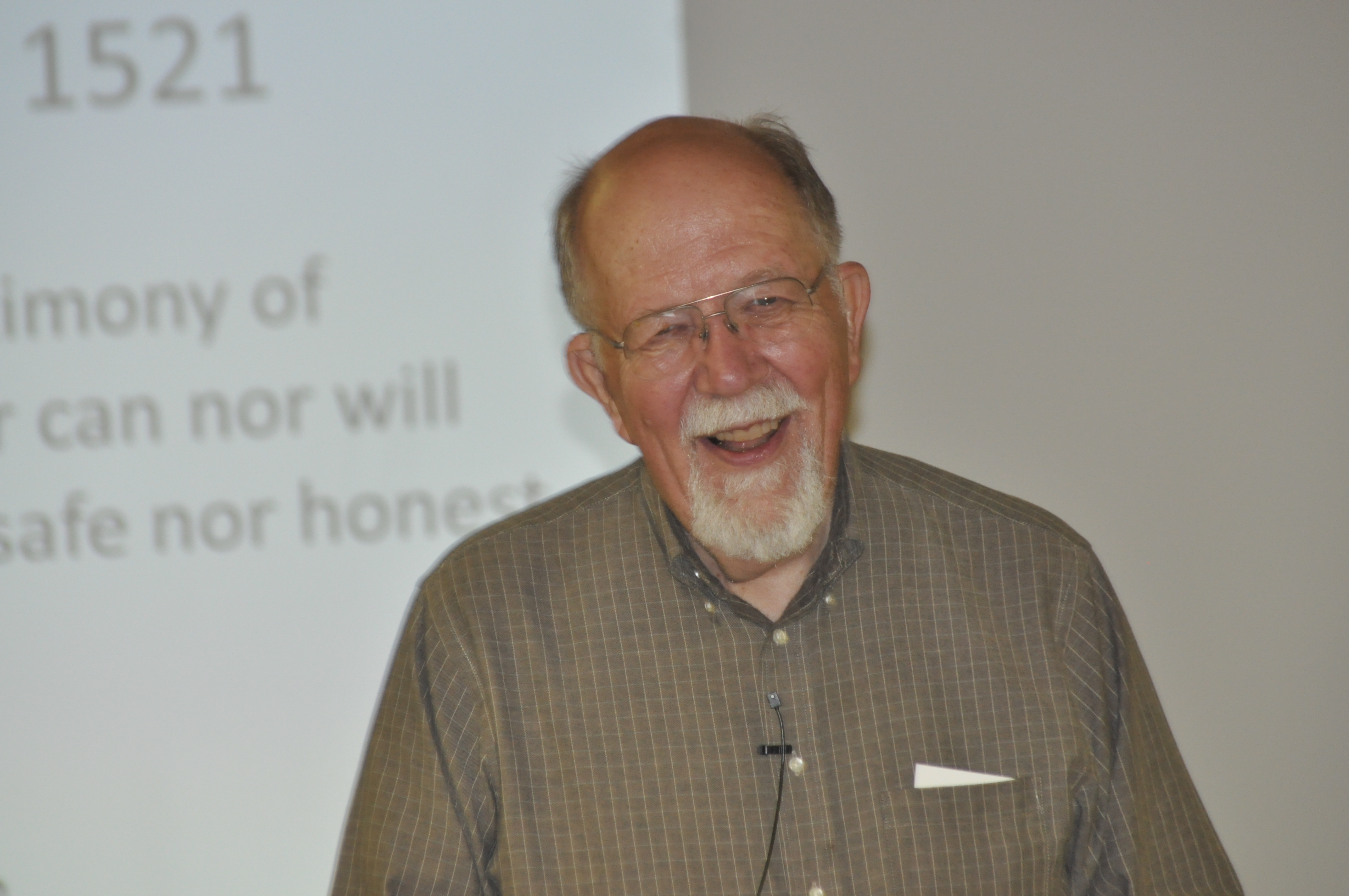
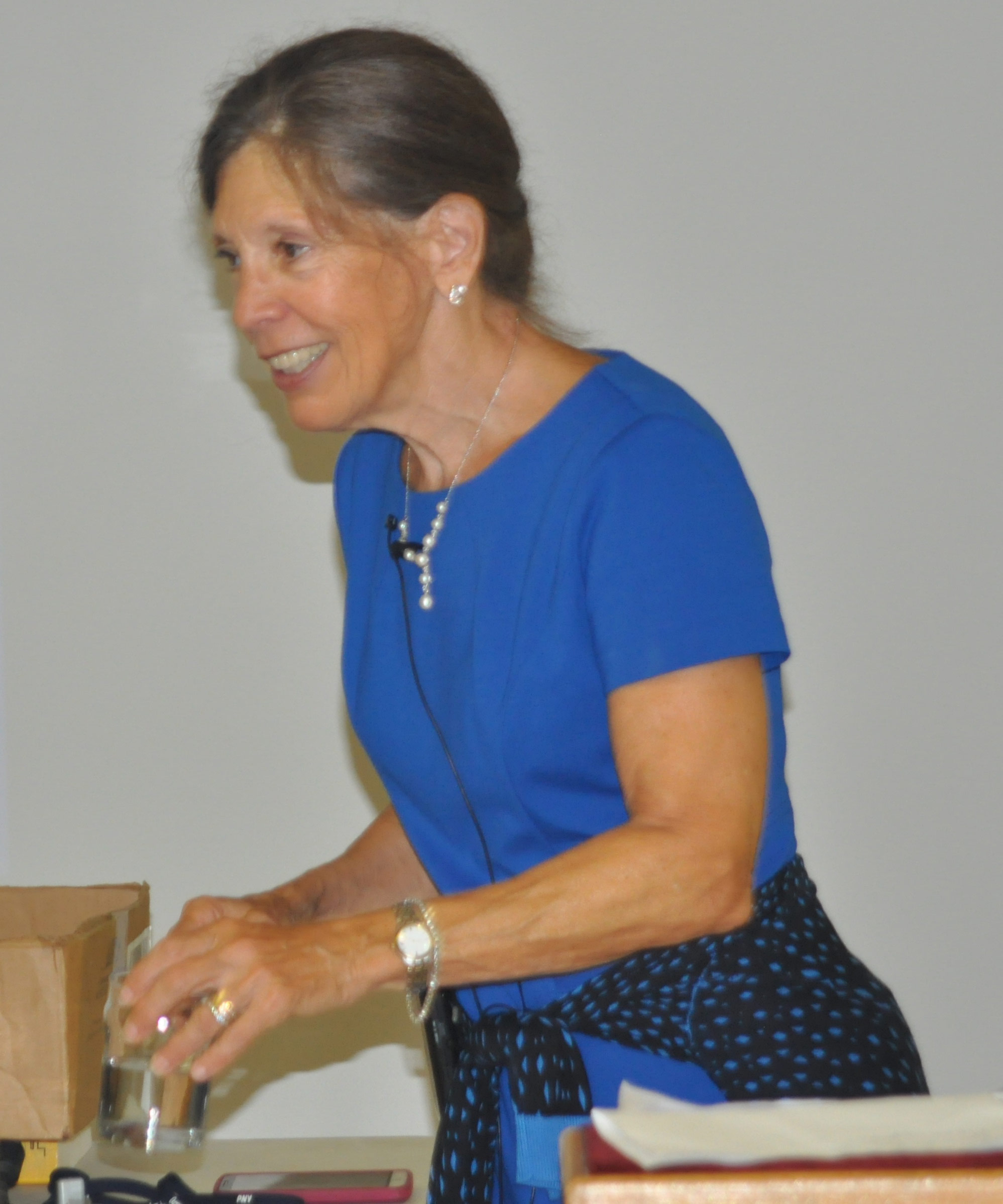
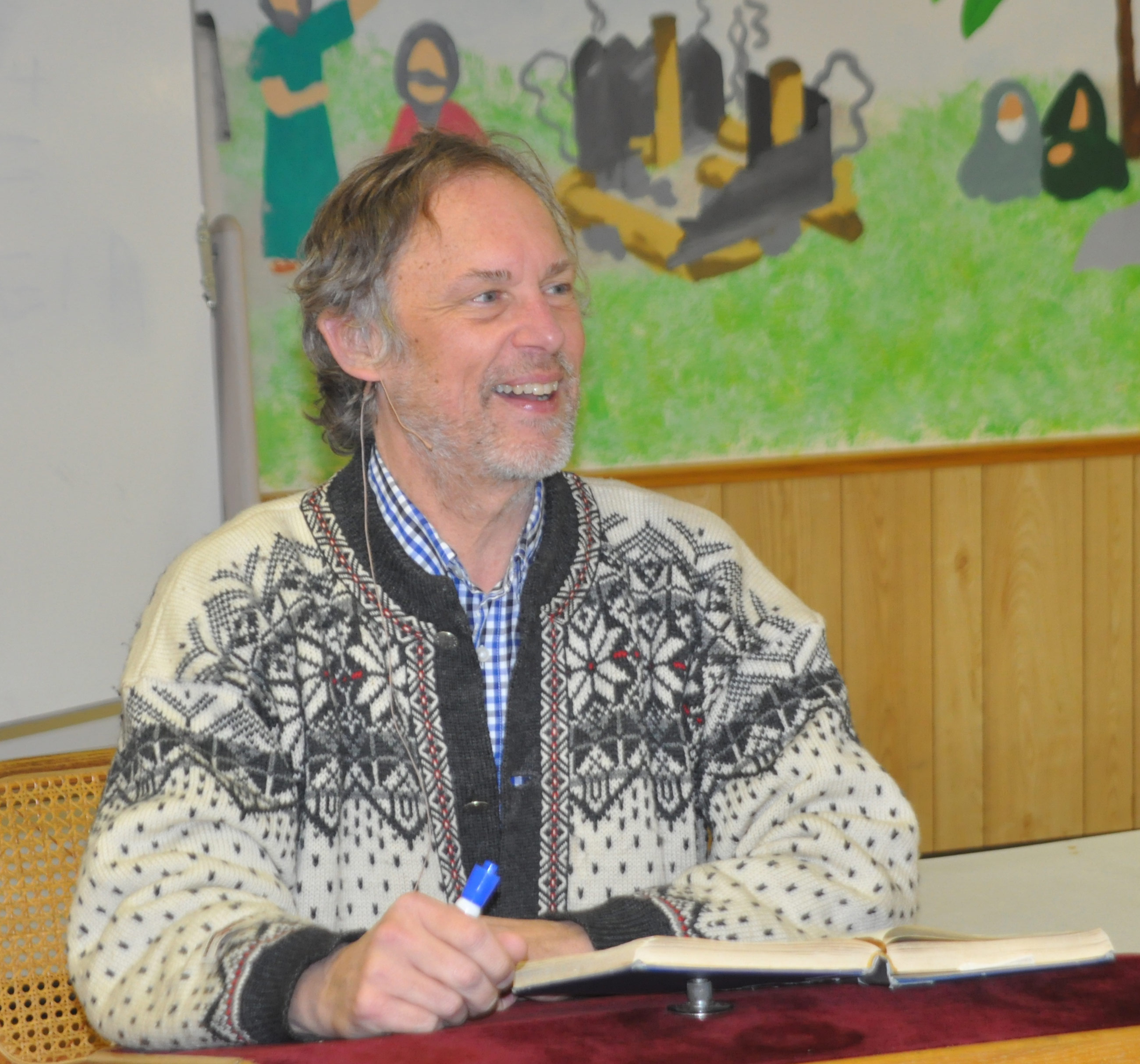
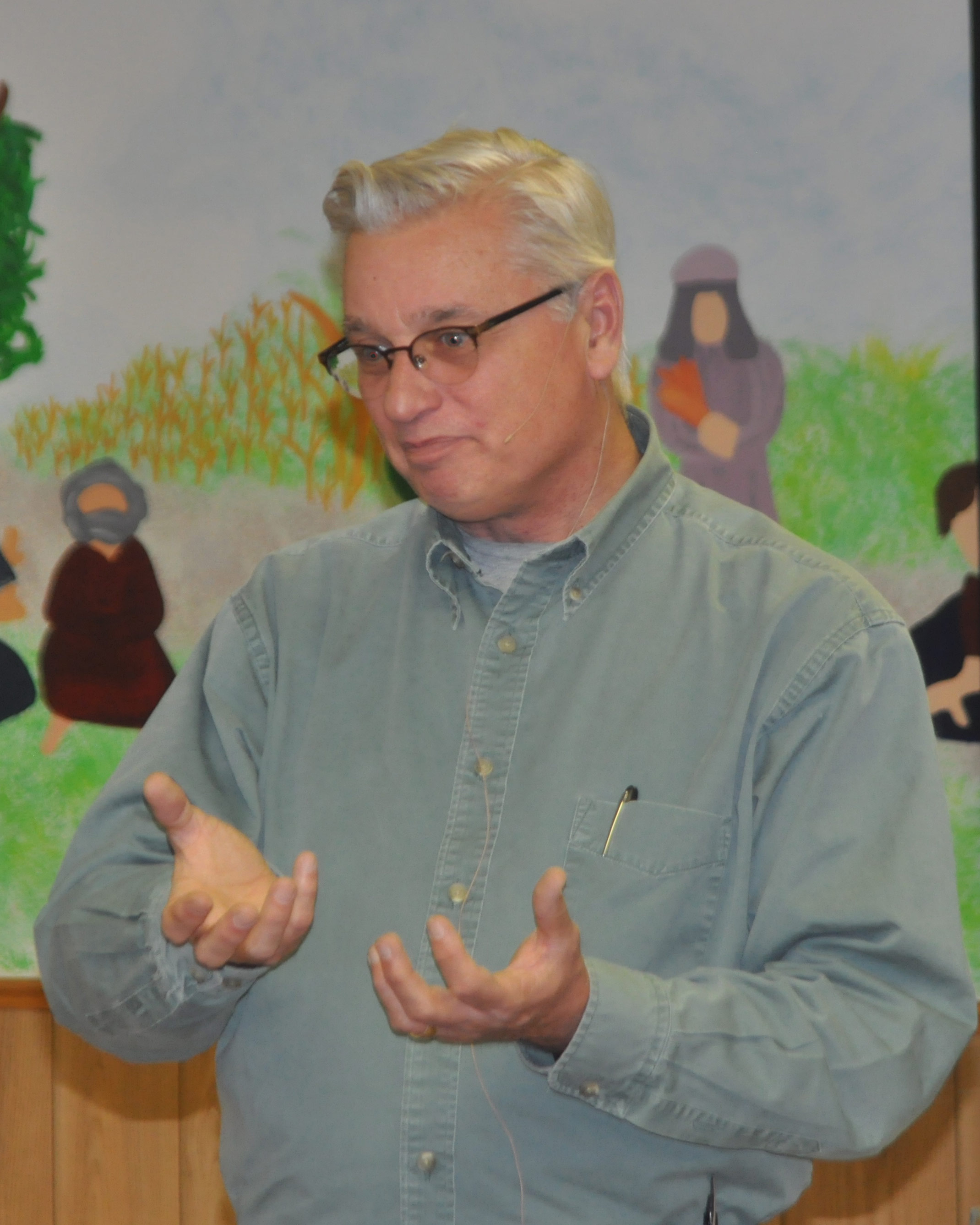
A full year of Lay School done on Zoom. While we discovered we miss meeting together and the social aspects of being togeter in worship and the break room, we also discovered that Zoom works very well and we didn't miss winter driving, so next year will be some on site and Zoom and some strictly Zoom in the months that snow can be a travel issue.
2021-2022 Continuing Education Instructors and Topics
The Shape and Shaping of Faithfulness:
Diverse Biblical Perspectives
 |
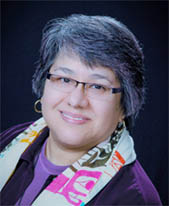
September 10 & 11 Jason Paul Engel, "Illuminating Faithfulness: The Saint John's Bible as Witness to the Torah and Beyond" |
 |
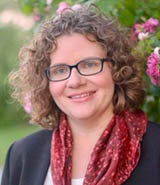
October 8 & 9 Leticia Guardiola-Sáenz , "The Faithfulness of Women in the Gospel of John: Crossing Borders and Building Bridges with Jesus"
|
 |
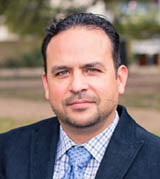
November 12 & 13 Amy Lindeman Allen, "Jesus among the People: Following Jesus through the Synoptics and Book of Acts" |
 |
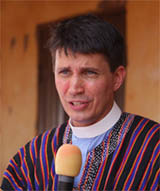
December 10 & 11 ❉ Gregory Cuéllar, "Deuteronomic History and the Former Prophets in the Face of Empire" |
 |
January 7 & 8 ❉ Nathan Esala, "(Re-)translating the Voices of the Major and Minor Prophets for Life" |
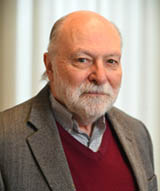 |
February 11 & 12 ❉ David Rhoads, "Life Lived in Response to Grace: The Radical Proclamation of Justification" |
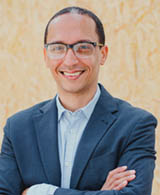 |
March 11 & 12 ❉ Fausto Liriano, "Faithfulness in Wisdom's Way: Poetry and Prose of Wisdom Books Slowing Us Down" |
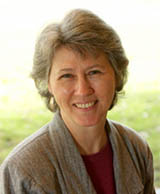 |
April 8 & 9 ❉ Holly Hearon, "Exploring Faith and Faithfulness in the Catholic Epistles: Context and Conversation" |
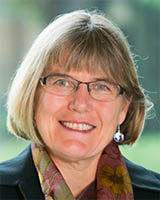 |
May 13 & 14 ❉ Barbara Rossing, "Faithfulness as Hope Unveiled: Apocalyptic Literature's Vision" |
